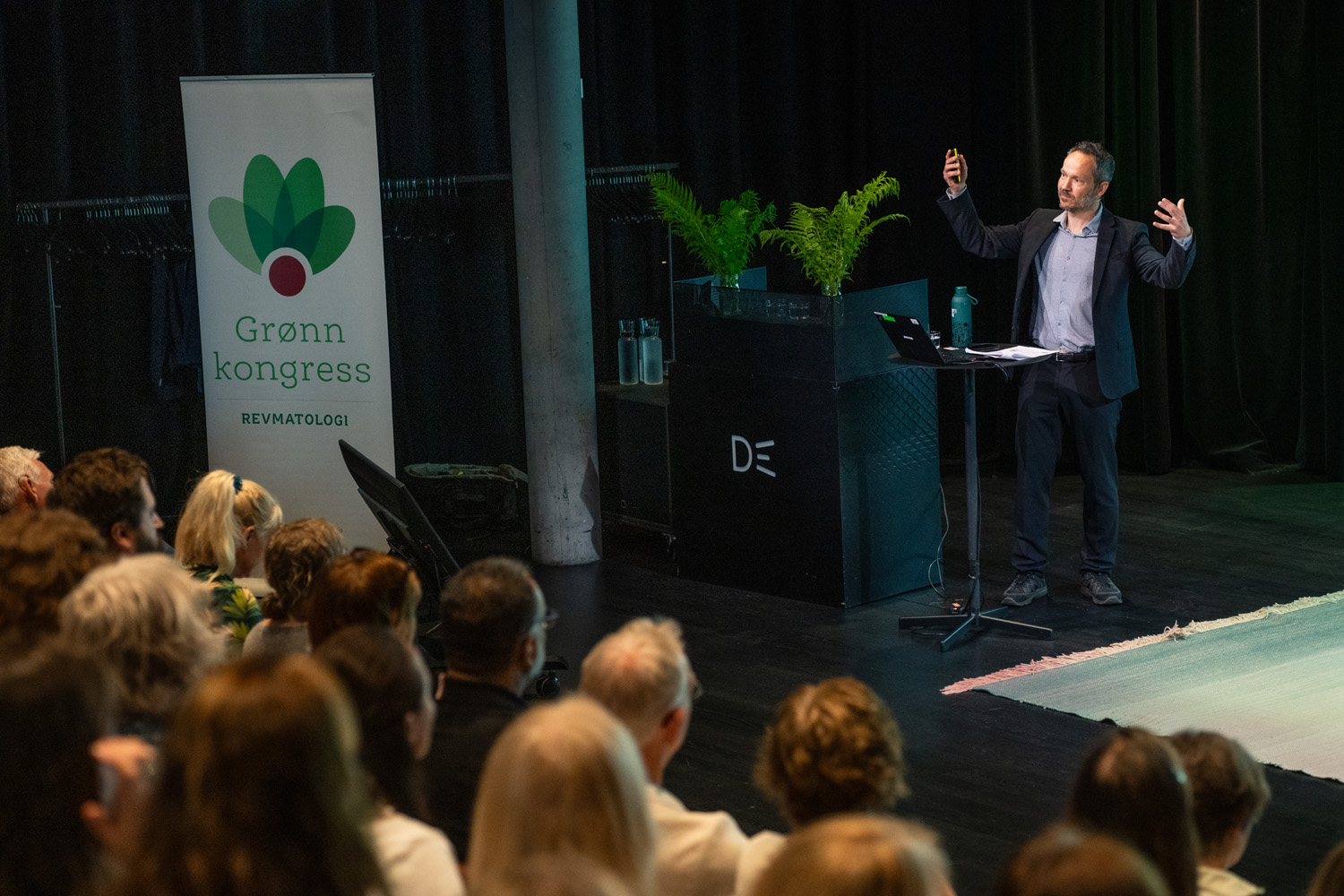
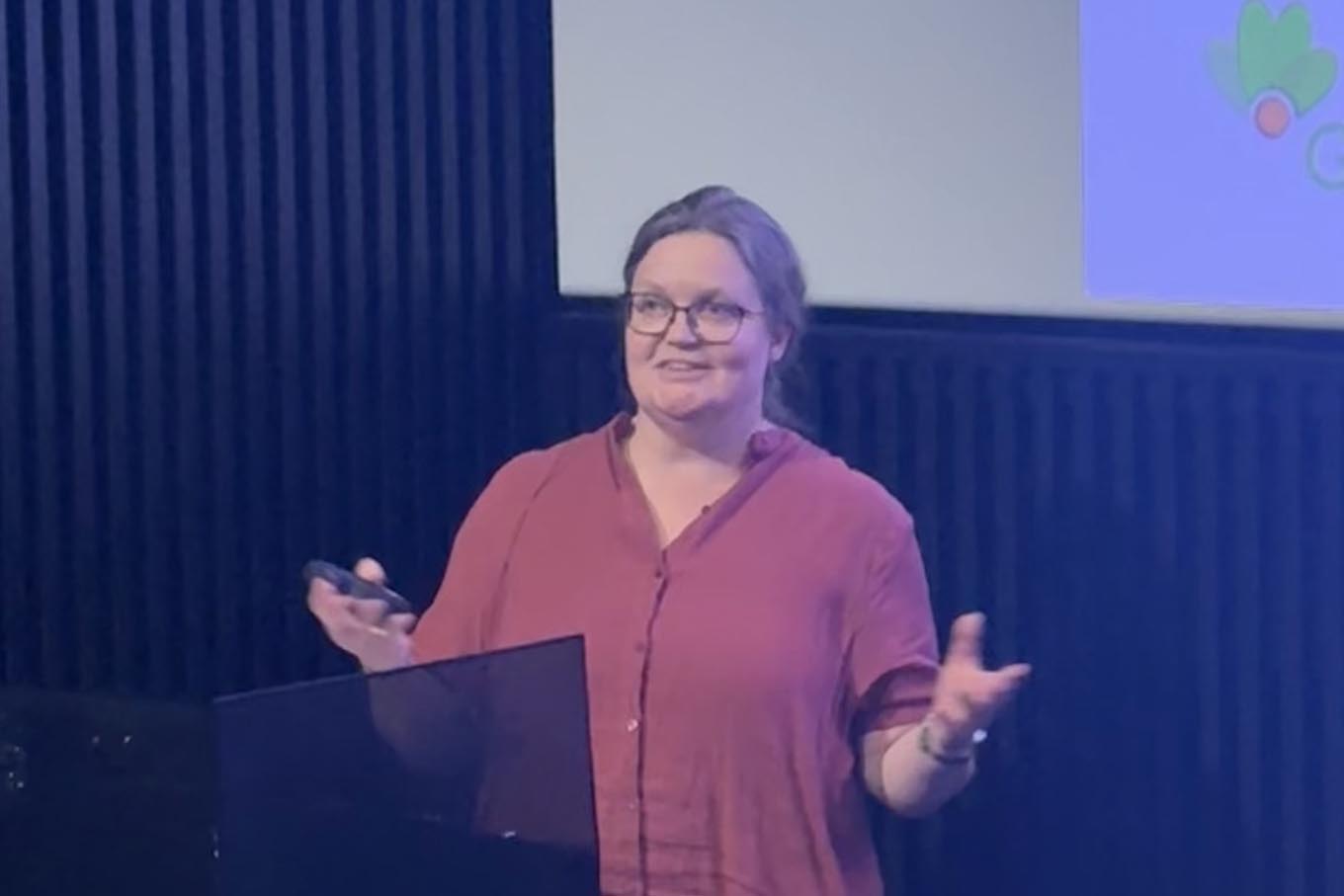
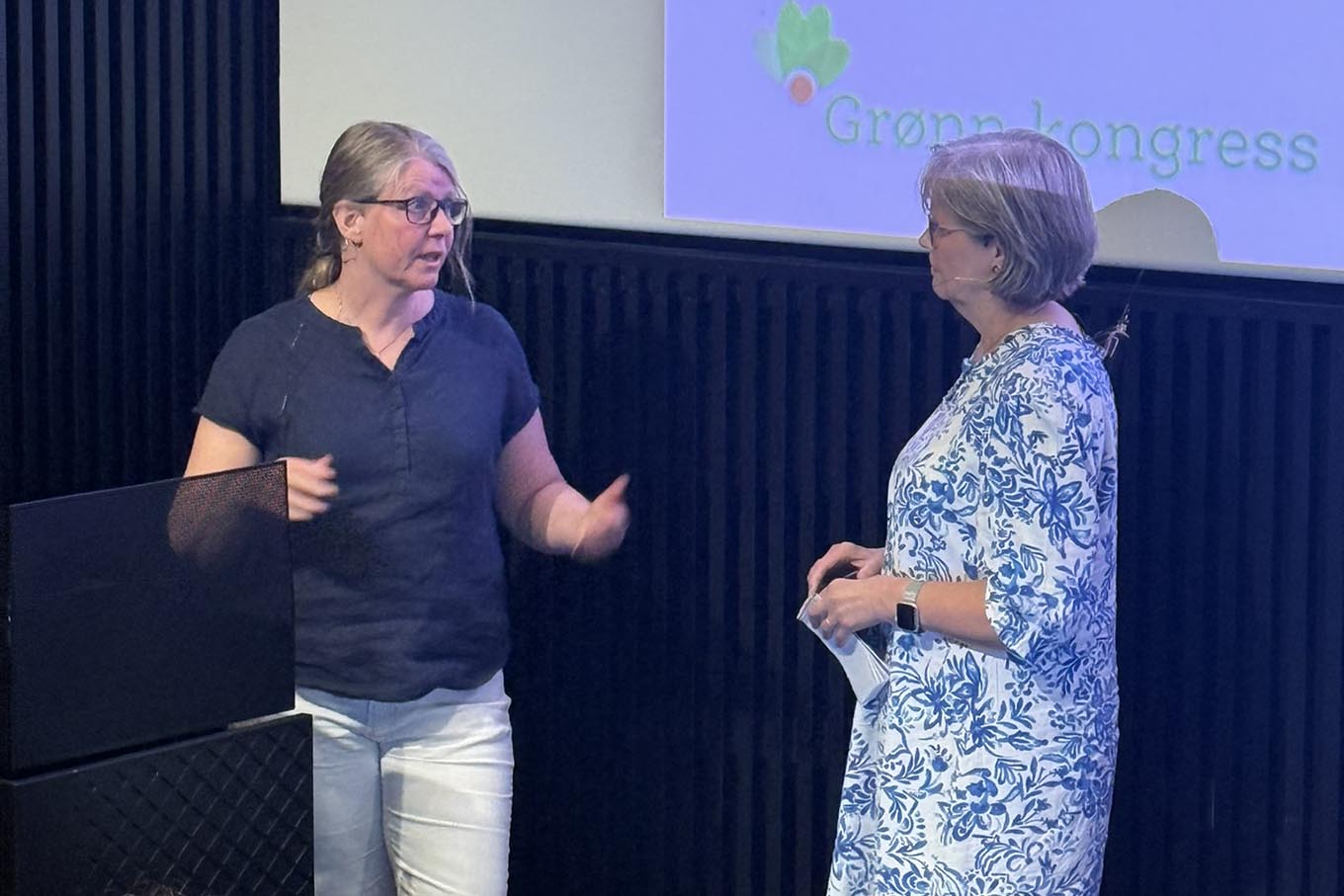
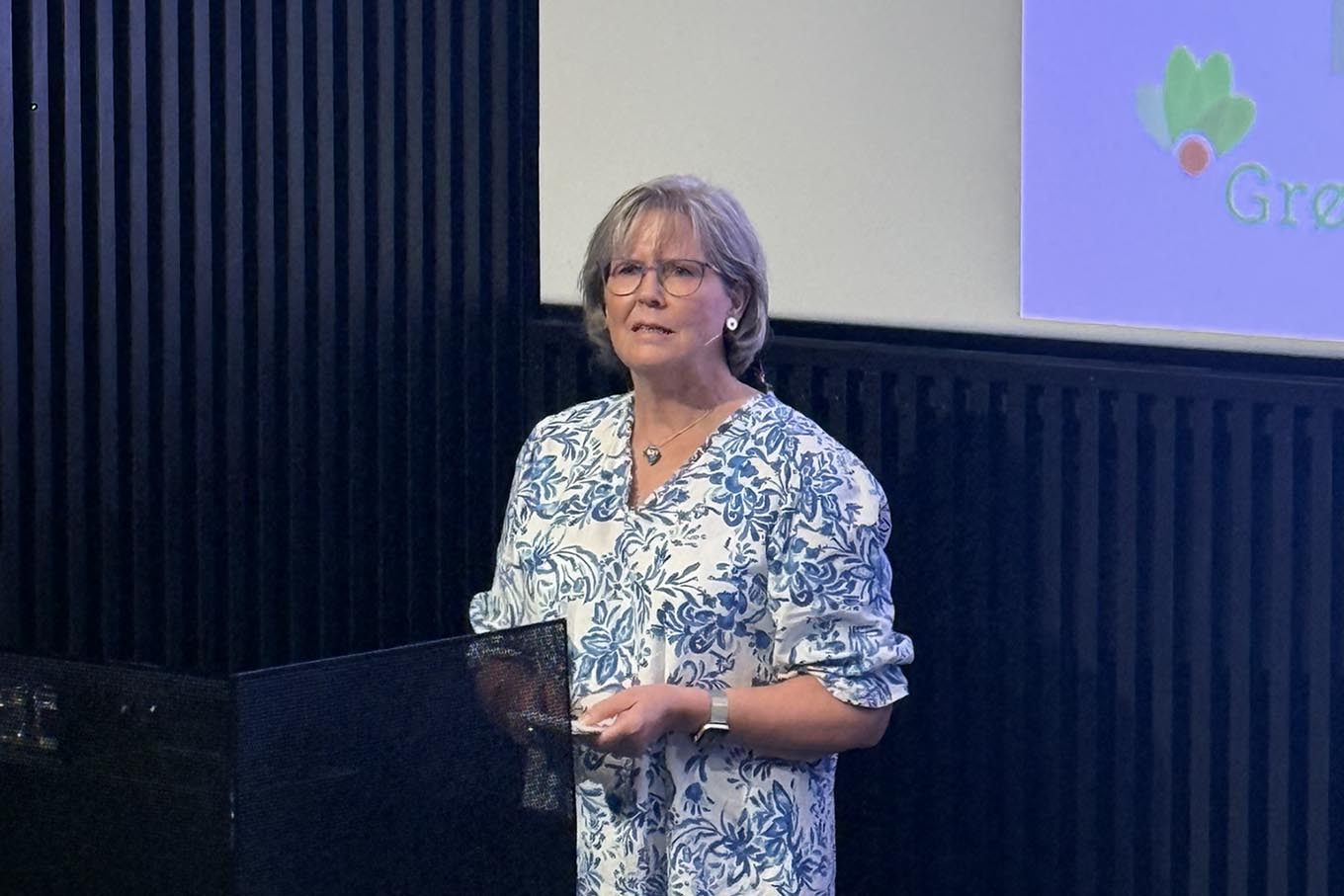
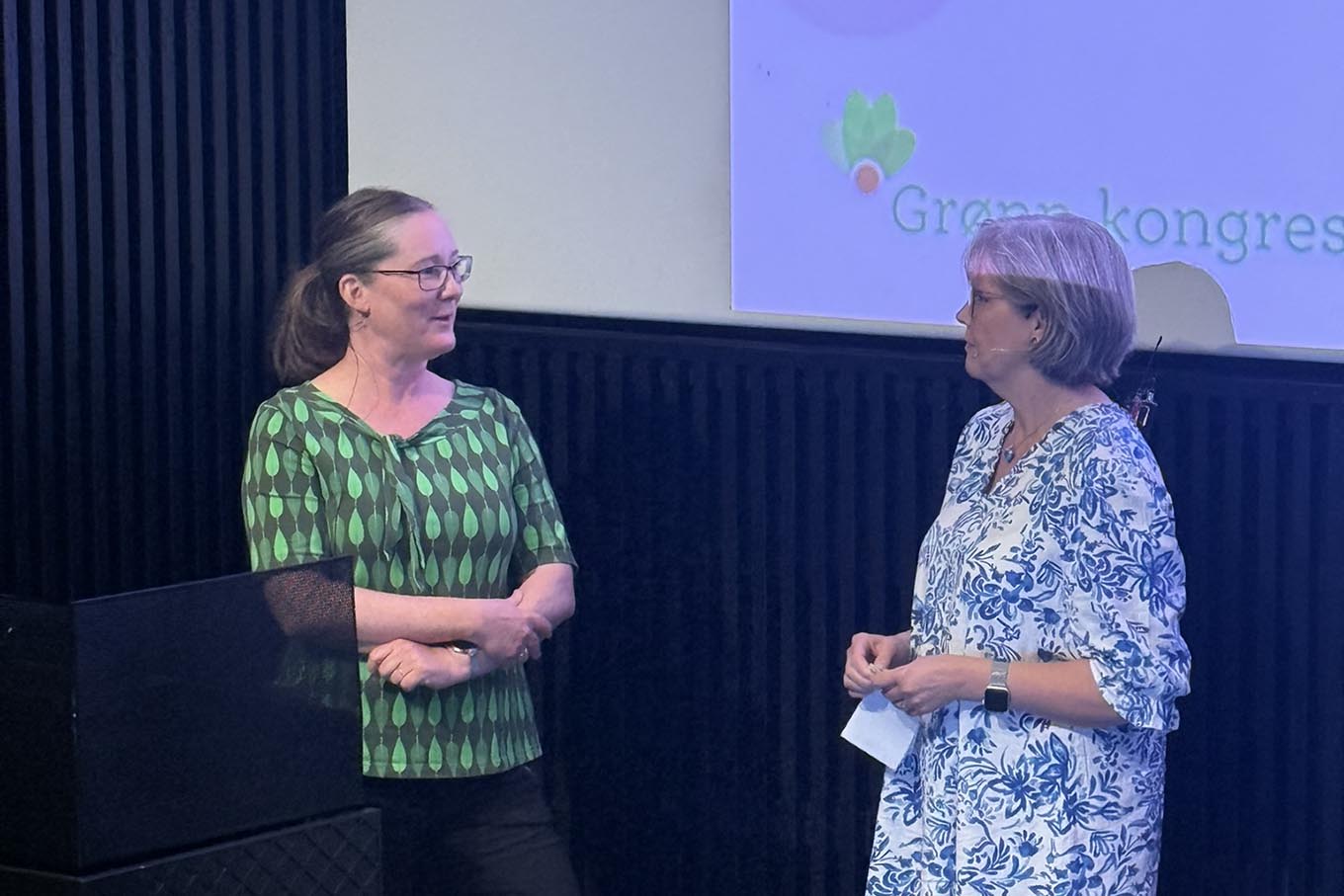
This year's Green Congress brought together researchers, clinicians and professionals to summarize the research presented at EULAR 2026. The goal was to highlight knowledge with significance for patients, practitioners and research communities alike. This is a communications consultant's attempt to summarize some of the main points from the event.
A consistent message was that progress is rapid, but that not all patients recover with the treatment available today. Therefore, more research is needed that can provide better treatment, more precise follow-up, and more knowledge about what works for whom.
At the same time, it is important to emphasize that not all research will have a rapid impact on patient care. Some is still early research, some needs to be tested in larger studies, and some may only have an impact on clinical practice after several years.
Go straight to images
A greener healthcare system
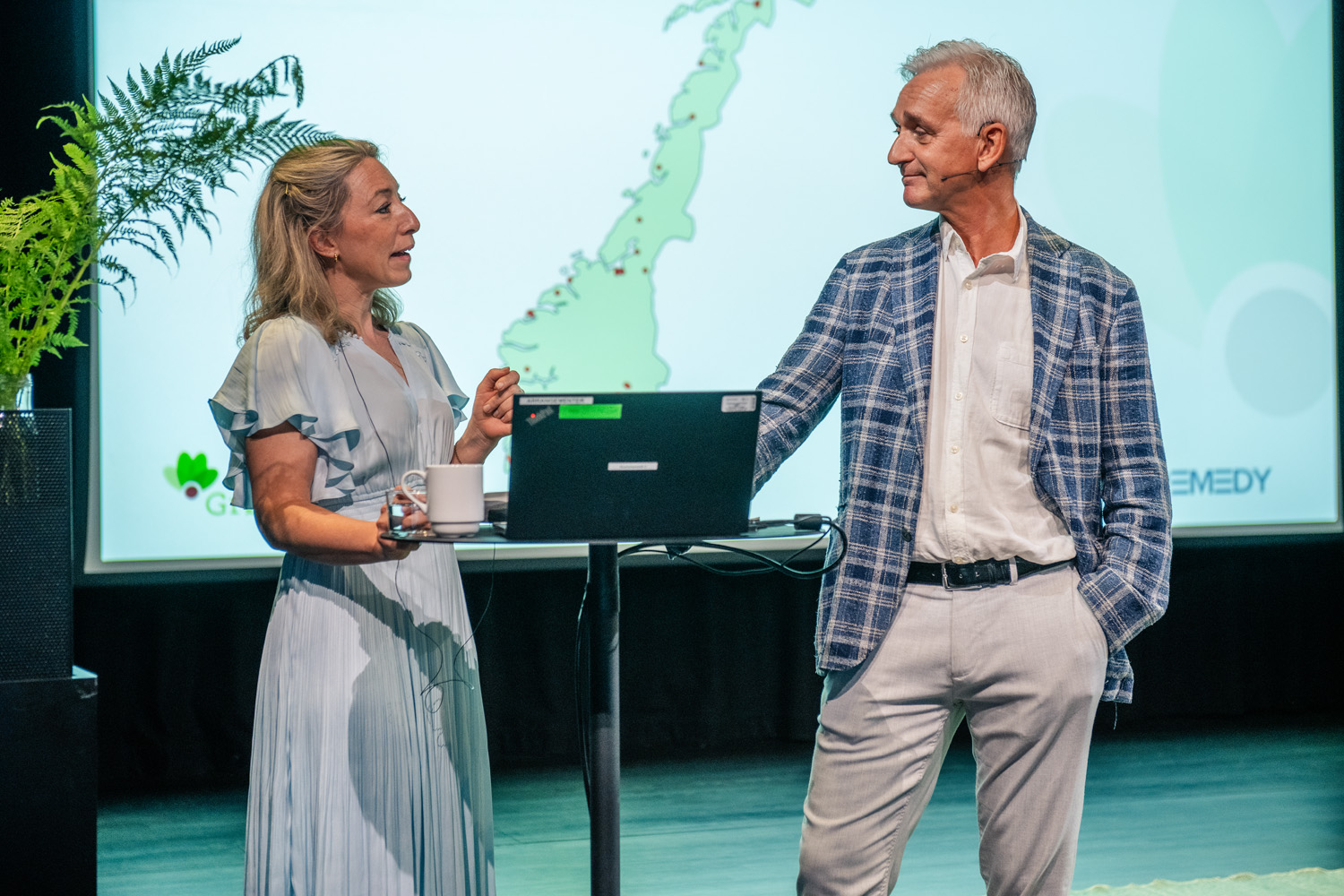
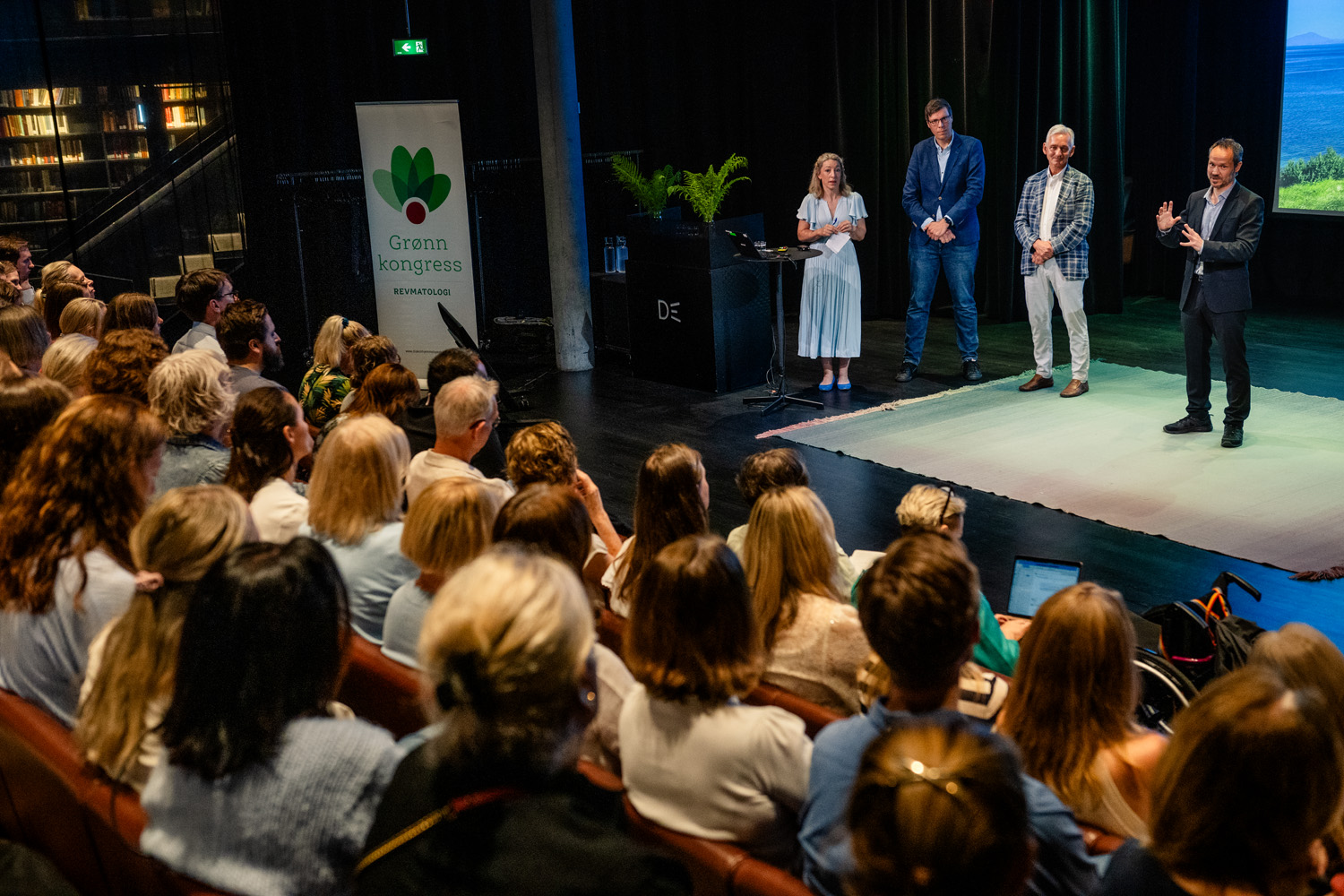
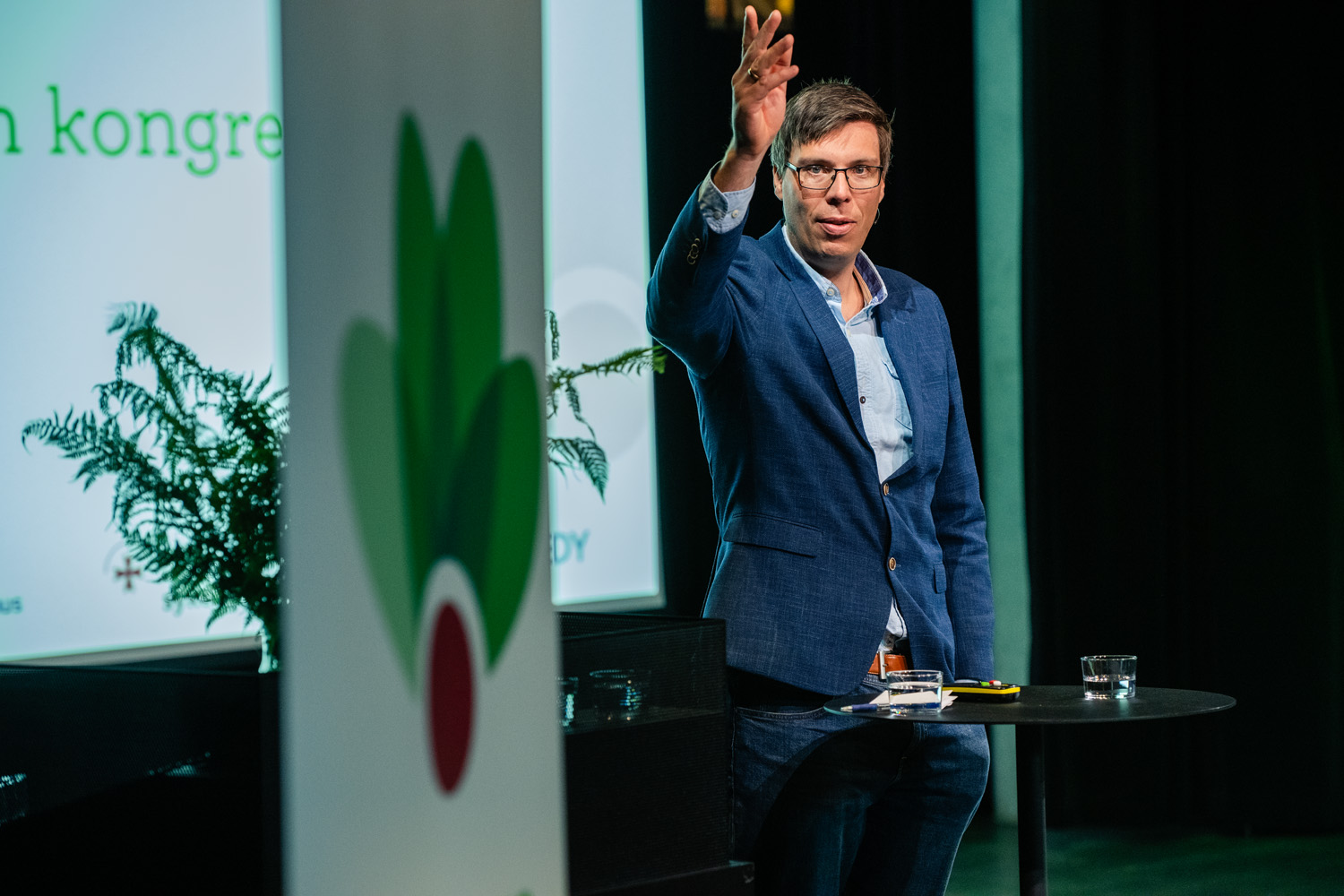
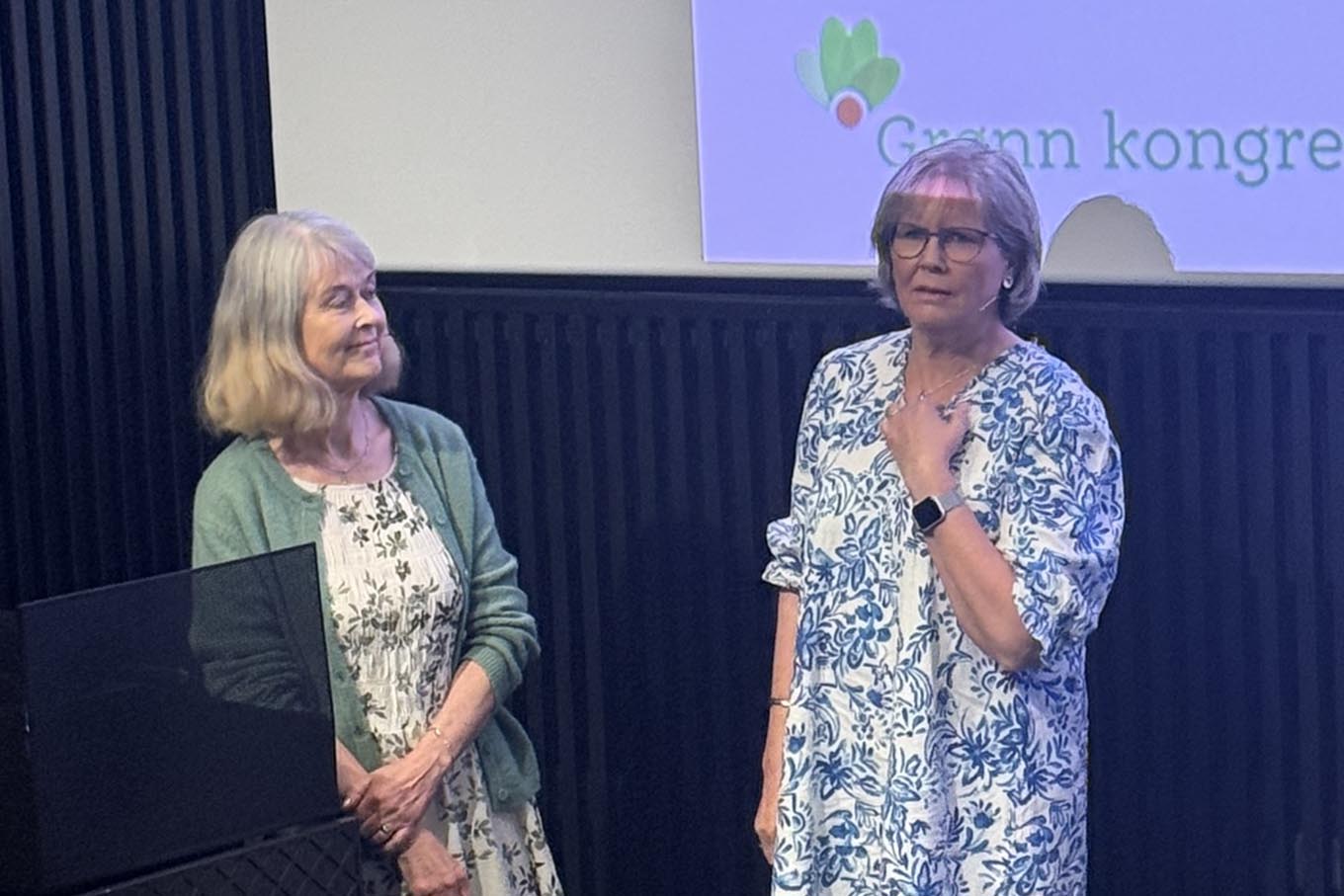
Kjetil Bergsmark and Lena Bugge Nordberg opened the event and asked the question: How can the health service become more sustainable? Erlend Tuseth Aasheim, who led the work on the Roadmap for a sustainable, low-emission and climate-adapted health and care service, gave the first speech.
Sustainability is not just about climate and the environment, but also about how resources in the health service are used. The roadmap contains more than 100 measures and shows that climate work must become part of management, regular operations and quality work.
There are great opportunities in concrete choices: smarter purchasing, less unnecessary treatment and travel, better resource use, less waste and more sustainable buildings and digital solutions. At the same time, the health service must adapt to climate change, which is already affecting emergency preparedness, buildings, infrastructure and patient health.
Environment at EULAR
Eirik Klami Kristianslund summarized the environment and sustainability from EULAR, a topic that was bigger this year than in previous years. Environmental factors, climate and social inequalities can influence both disease development, disease activity and research.
Sustainability is about providing good treatment with lower resource use. Remote monitoring can reduce the need for travel. Fewer examinations without practical significance can save patients and the health service from strain. The need to make it easier to see the climate footprint of different, but equivalent, medicines was also pointed out. This is where the industry needs to step in!
A concrete example showed how pharmaceuticals can affect nature. In India and South Asia, several species of vultures are close to extinction due to diclofenac in the carcasses they eat. For humans, the gel in particular can cause emissions when residues are washed off into wastewater.
Norwegian contributions at this year's EULAR
Siri Lillegraven said that EULAR showed that there is great breadth in Norwegian research – from clinical studies and treatment strategies to patient-reported data, digital follow-up and health services research.
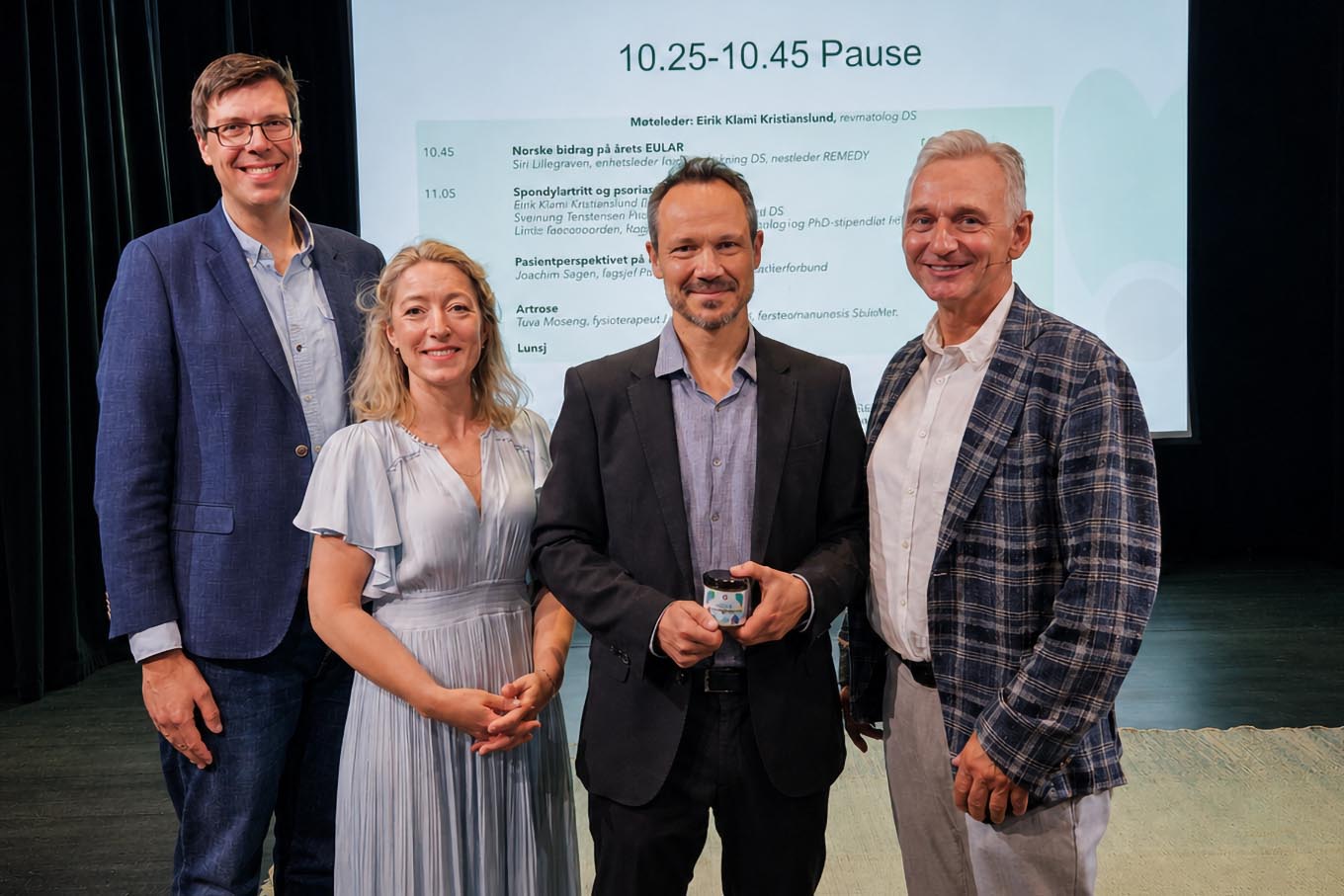
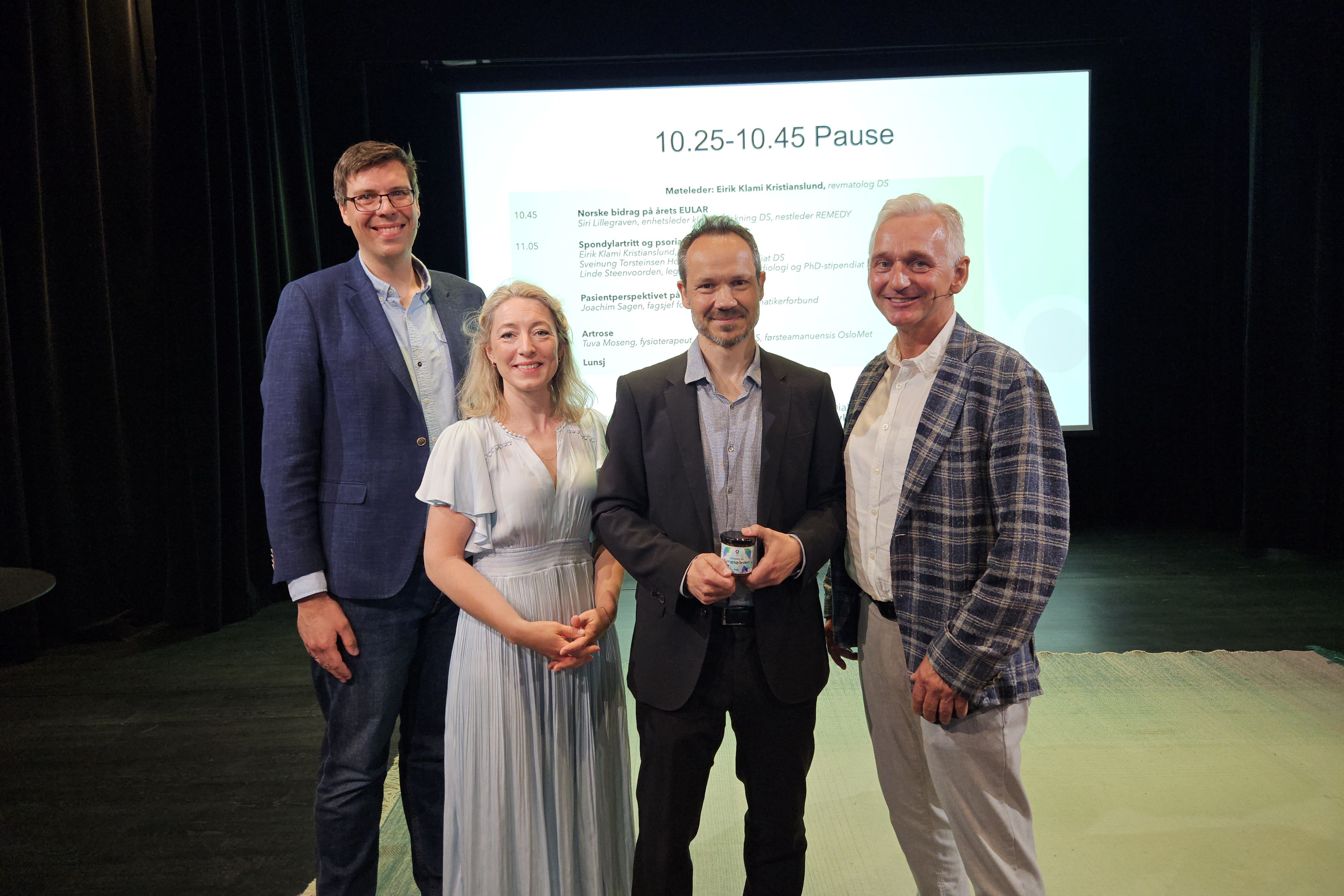
Imane Bardan was awarded the Clinical Abstract Award. Vilde Øverlien Dåstøl won RheumaVision, the competition in professional and research communication. Kåre Birger Hagen received the EULAR Health Professionals in Rheumatology Lifetime Achievement Award.
Spondylitis and psoriatic arthritis
Sveinung Torsteinsen Hoel and Linde Steenvoorden summarized news about spondyloarthritis and psoriatic arthritis.
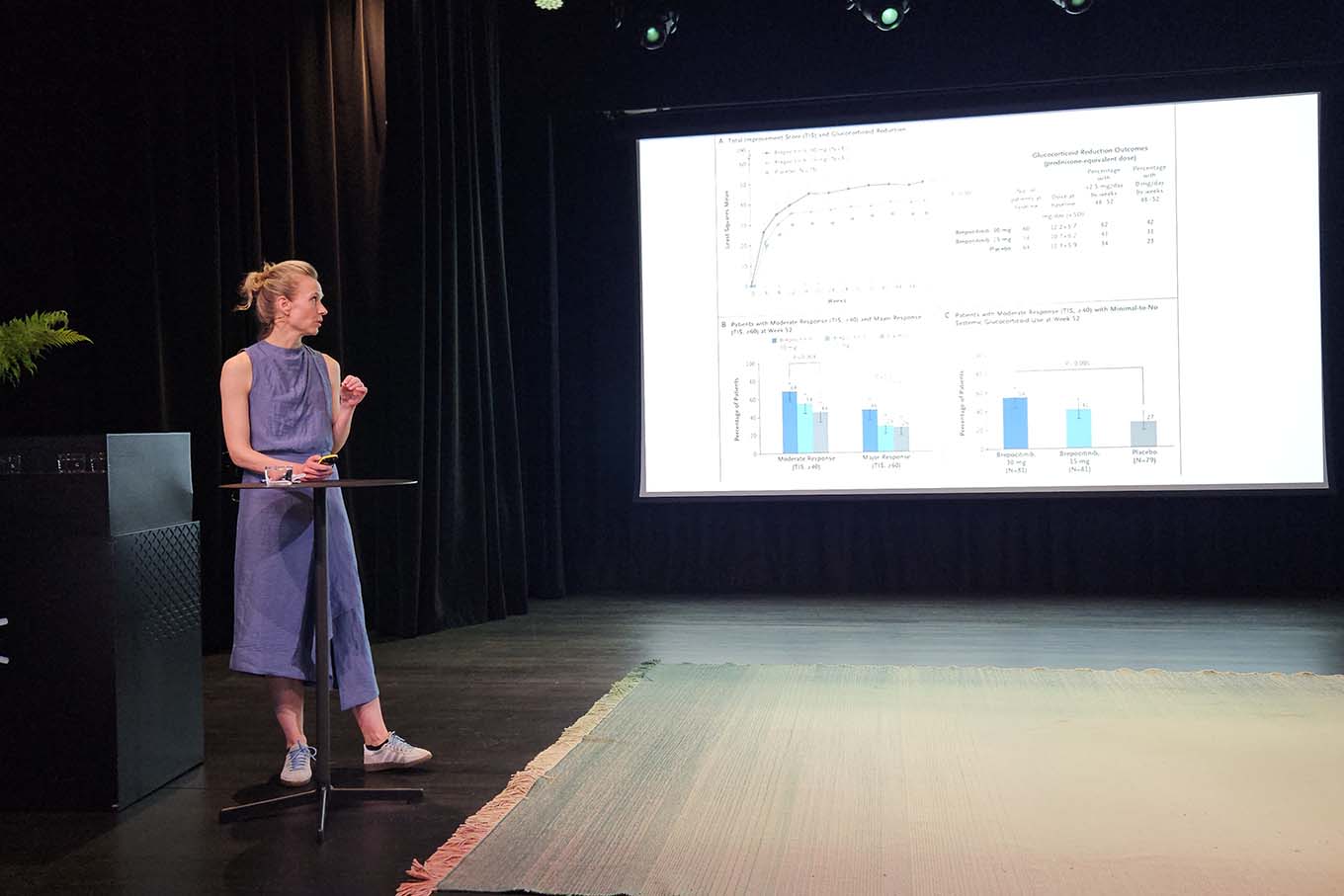
For psoriatic arthritis, it was highlighted that obesity and disease activity should be viewed in context. IL-17A/F inhibition may have a faster effect on joints than IL-23 inhibition, and dual biological treatment may become a point of attack in the future.
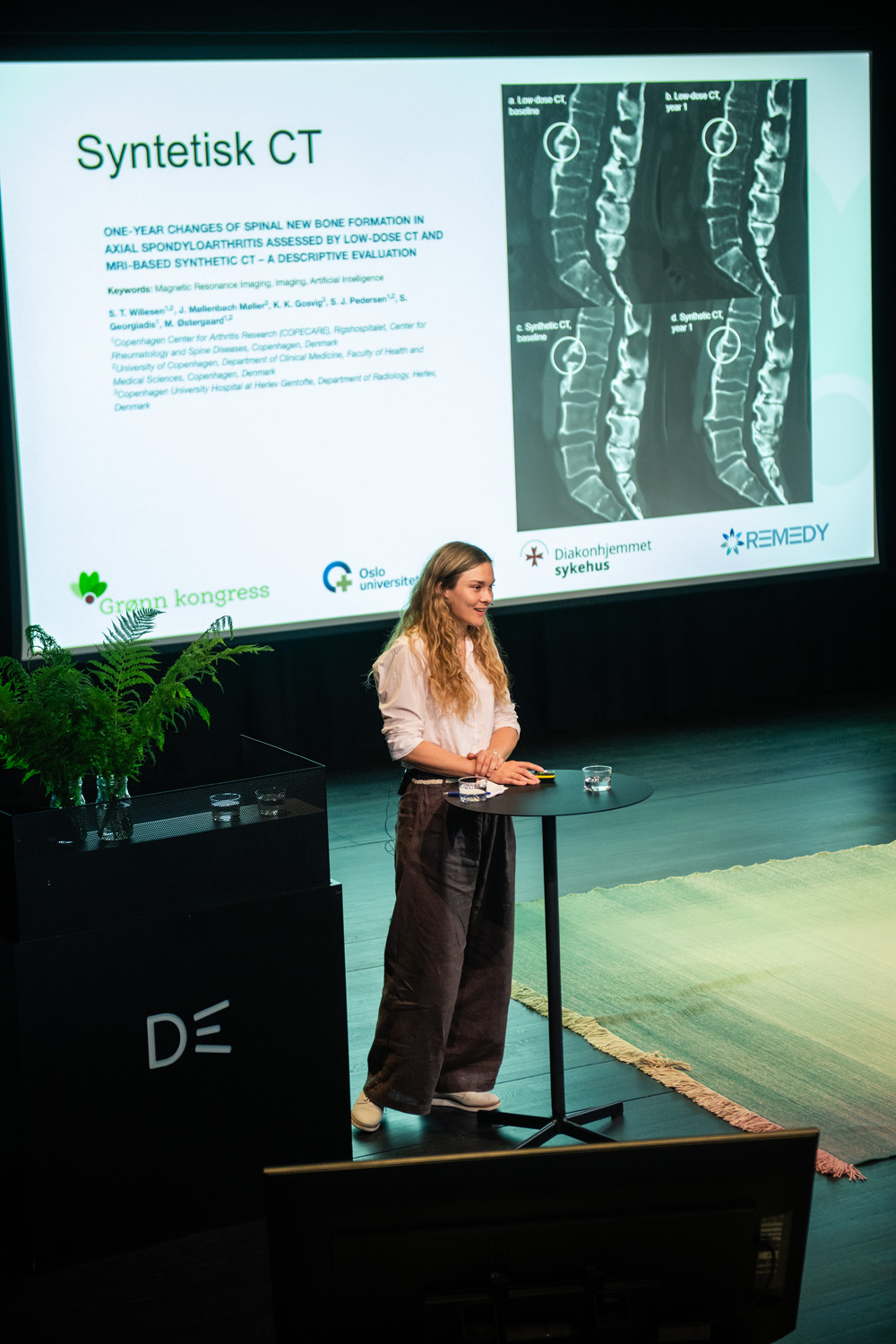
In the future, new imaging techniques may become more important. Synthetic CT, dual-energy CT and photon-counting CT were highlighted as methods that can provide more precise information about changes in joints and tissues.
In spondyloarthritis, imaging studies must be interpreted with caution, because anatomical variations can produce MRI findings that resemble inflammation.
The patient perspective
Joachim Sagen, Head of Research at the Norwegian Rheumatology Association, summarized the patient perspective from EULAR.
Communication between therapist and patient was a recurring theme. Individually tailored communication is crucial for creating trust, good user participation and good treatment. It was also pointed out that communication should be given a clearer place in the education of therapists.
The case highlighted the need for a more holistic approach. Good test results do not always equate to good health. Pain can be real even if it does not show up in test results. Fatigue, mental health and quality of life must be taken seriously.
Relatives were also highlighted as an important resource that deserves greater attention.
Osteoarthritis
Tuva Moseng highlighted osteoarthritis as an area where knowledge about exercise, weight and coping was highlighted as important. Many patients live a long time with osteoarthritis, and good treatment is often about more than medication.
Obesity and osteoarthritis are linked and patients must be advised to combine weight loss, regardless of the method, with exercise to preserve muscle and bone mass.
Pediatric rheumatology
Anna-Birgitte Aga presented pediatric rheumatology from EULAR. This is a field where early diagnosis, correct treatment and good follow-up can have a major impact on disease development, function and quality of life.
New treatments that target the immune system may also be important for children and young people with severe rheumatic disease.
Reference was also made to new classification criteria for juvenile idiopathic arthritis, JIA. Such criteria are important for both research and clinical practice, because they contribute to more precise classification of children with inflammatory joint disease.
A third main point was that recent registry data confirm that JIA often does not resolve when the patient reaches adulthood. Adults who have had JIA may have increased comorbidity and increased mortality. The transition from pediatric to adult healthcare is therefore important.
Osteoporosis
Birgitte Nellemann provided information about osteoporosis, or brittle bones. This is a disease that is often not noticed until the patient has a fracture. Therefore, it is important to identify people at high risk and offer the right treatment in a timely manner.
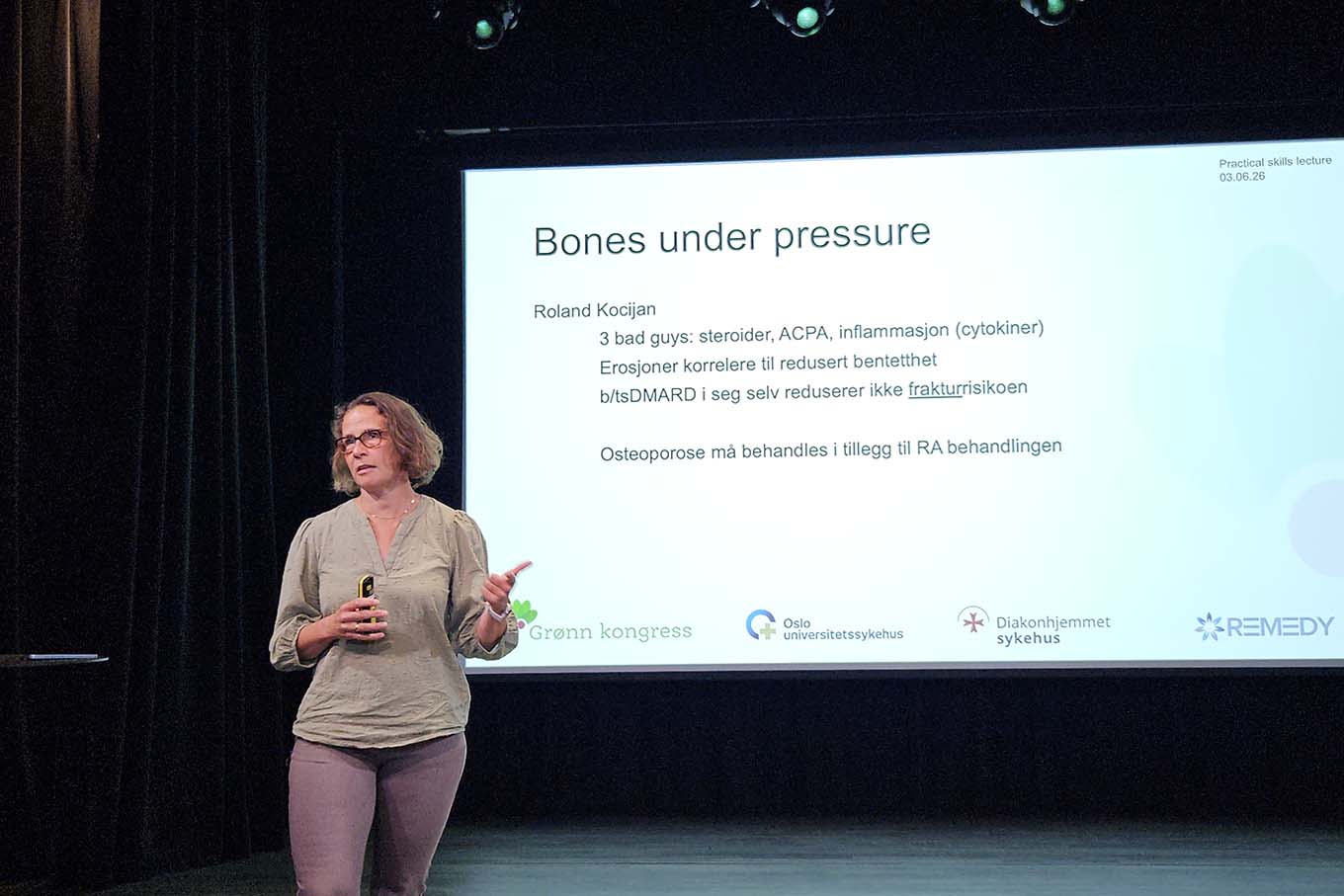
Glucocorticoid-induced osteoporosis remains a major problem. The message was to consider osteoporosis in all patients with inflammatory rheumatic disease, and to offer treatment at the right level to all patients with an indication.
Systemic connective tissue diseases
Marthe Mælen summarized systemic connective tissue diseases from EULAR.
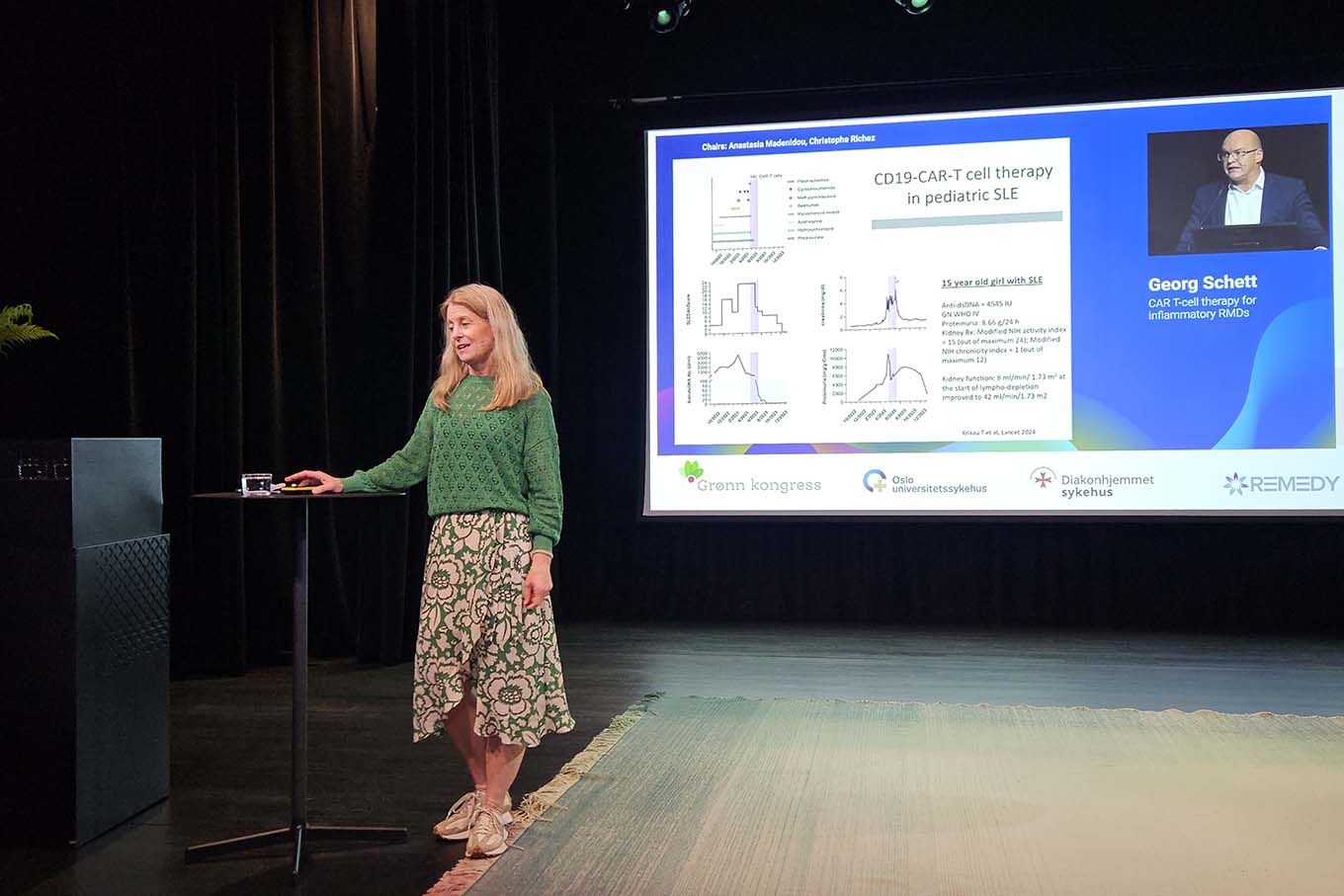
A key trend was the growing interest in B cells. Several new treatment strategies target B cells, and this was highlighted as one of the most central areas of development from EULAR 2026.
In lupus nephritis, it was emphasized that low proteinuria does not necessarily mean that the disease is inactive. Patients with systemic lupus erythematosus and lupus nephritis may still have active kidney disease even though urinary protein excretion is low. Therefore, if activity is suspected, kidney biopsy should be considered.
Shingrix, the shingles vaccine, was recommended as an important measure for patients whose immune systems are suppressed. Reference was also made to the research of Pinal-Fernandez and Andrew Mammen, key names in the myositis field.
Vasculitis
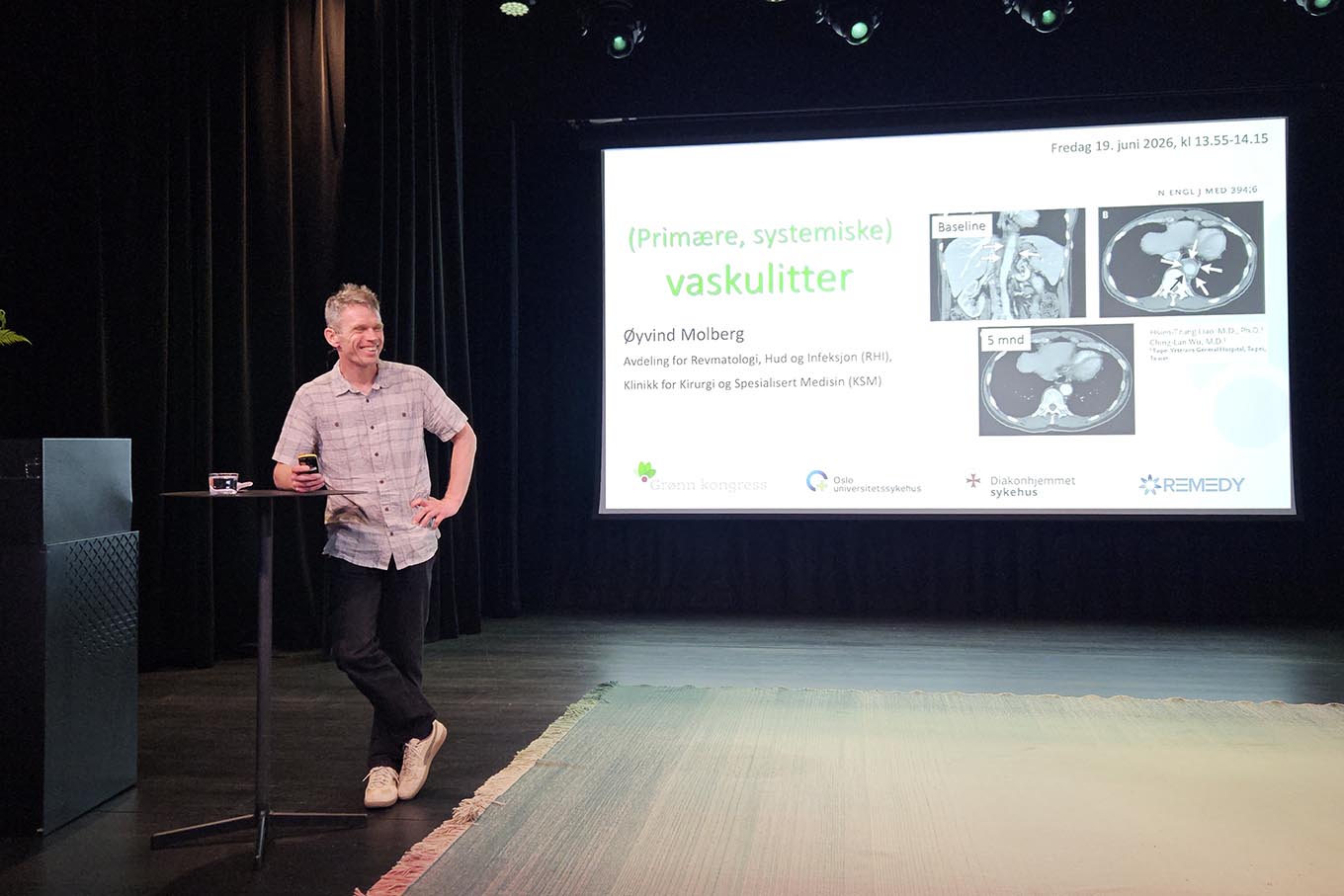
Øyvind Molberg summarized vasculitis from EULAR. An important message was that the field is moving towards more precise diagnostics, faster clarification and more targeted treatment.
If giant cell arteritis is suspected, rapid assessment is important, because the disease can cause serious complications if treatment is delayed.
Imaging and biopsy are used more purposefully to support the diagnosis and monitor disease activity and damage over time.
Another point was the need to reduce long-term steroid use. New and established steroid-sparing treatments are gaining more space, including in giant cell arteritis and Takayasu's arteritis.
The goal is to treat serious illness quickly enough, but at the same time reduce the risk of side effects from long-term use of steroids.
Prevention and health-promoting lifestyle
Camilla Fongen summarized that diet, physical activity, sleep, weight and access to nature can have an impact on health, symptoms and function in people with rheumatic and musculoskeletal diseases.
The Mediterranean diet may be associated with a lower risk of developing rheumatic and musculoskeletal diseases. Diet alone cannot prevent disease, but it can be part of a broader health-promoting perspective.
Loss of muscle mass and strength is common in rheumatic and musculoskeletal diseases. Strength training is the most important measure to maintain muscle strength and function, especially during weight loss.
Activities in diverse natural environments, such as forests, water and parks, were mentioned as health-promoting.
Digital therapies
Fiona Aanesen summarized digital therapies. The main message was that digital solutions can become a more integrated part of the follow-up of patients with rheumatic and musculoskeletal diseases, but only when they provide real benefit.
Digital patient education for newly diagnosed rheumatoid arthritis was highlighted as an example. A study showed that digital education could provide lower costs and at least as good results as traditional physical education.
At the same time, it was emphasized that digital tools must not become technology for technology's sake. They must support patients' self-management, make it easier to follow treatment and provide safer contact with the health service. They must also be documented in the same way as other treatments, with knowledge about effect, costs, patient safety and who the solutions are suitable for.
Health and work
Anne-Lene Sand-Svartrud reported that work ability should be addressed early in the treatment process, not only when the patient is already on sick leave or is at risk of dropping out of the workforce.
For many, work can be an important part of identity, finances, social life and coping. At the same time, fluctuating disease activity, pain, fatigue and lack of knowledge in the workplace can make it difficult to stay in a job or education.
Measures that can help include early assessment of work ability, flexible arrangements, the possibility of adjusted working hours or tasks, good dialogue with the employer and better knowledge of rights and responsibilities. Supportive management and individually tailored solutions were highlighted as particularly important. For young adults, peer support and patient-led measures can also contribute to increased coping, less stigma and greater security in facing education and working life.
Discussion about work should be a natural part of the follow-up.
Coping and mental health
Heidi A. Zangi summarized coping and mental health. A key message was that mental and physical health are closely linked. Mental health can affect disease risk, symptom burden, functioning and quality of life.
Depression and anxiety are associated with lower self-management skills. This means that psychological strain is not only a consequence of the illness, but can also make it more difficult to cope with treatment, activity, pain and fatigue in everyday life.
For patients who do not go into remission, it was emphasized that treatment must be holistic. This involves both the best possible control of inflammation and support aimed at mental health, fatigue, and physical reconditioning.
A clear message was also the importance of empathy, validation and support. Patients living with pain, fatigue and uncertainty need not only medical treatment, but also to be met with what they struggle with in their everyday lives.
Mental health must be a natural part of rheumatological follow-up.
Rheumatoid arthritis
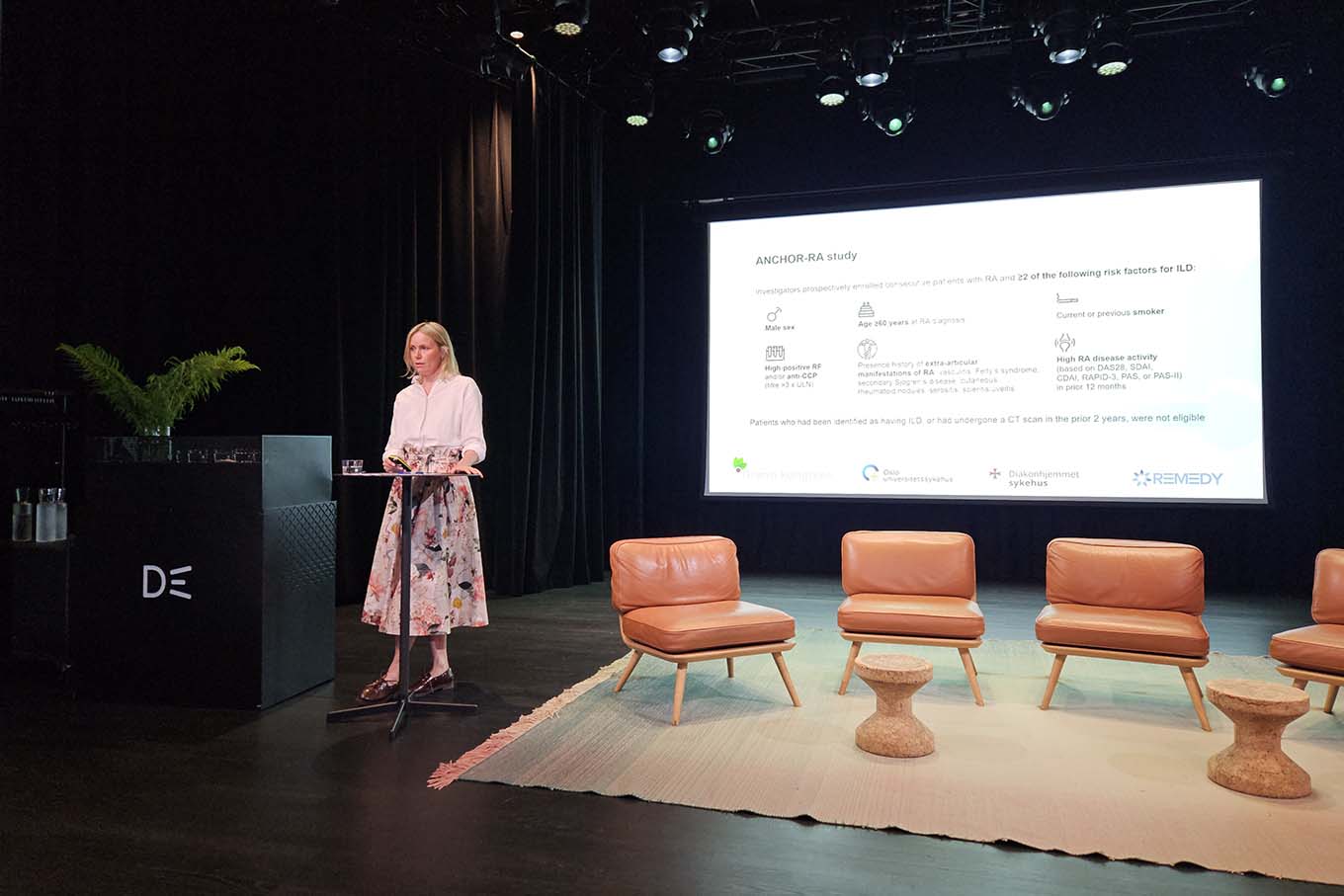
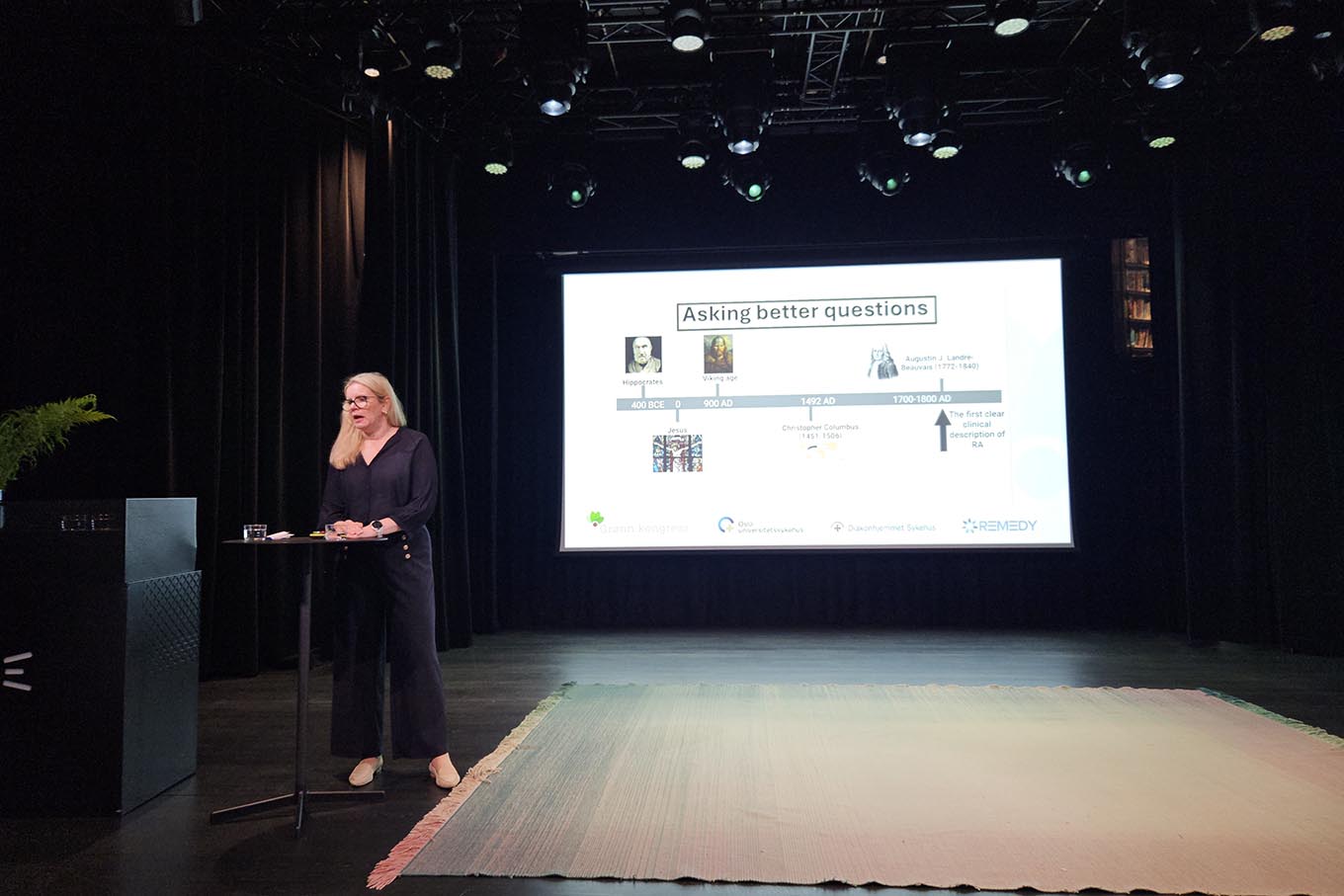
Guro Løvik Goll and Ingrid Jyssum had reviewed this year's EULAR contribution on rheumatoid arthritis. New forms of treatment, more precise use of drugs and questions about tapering were highlighted.
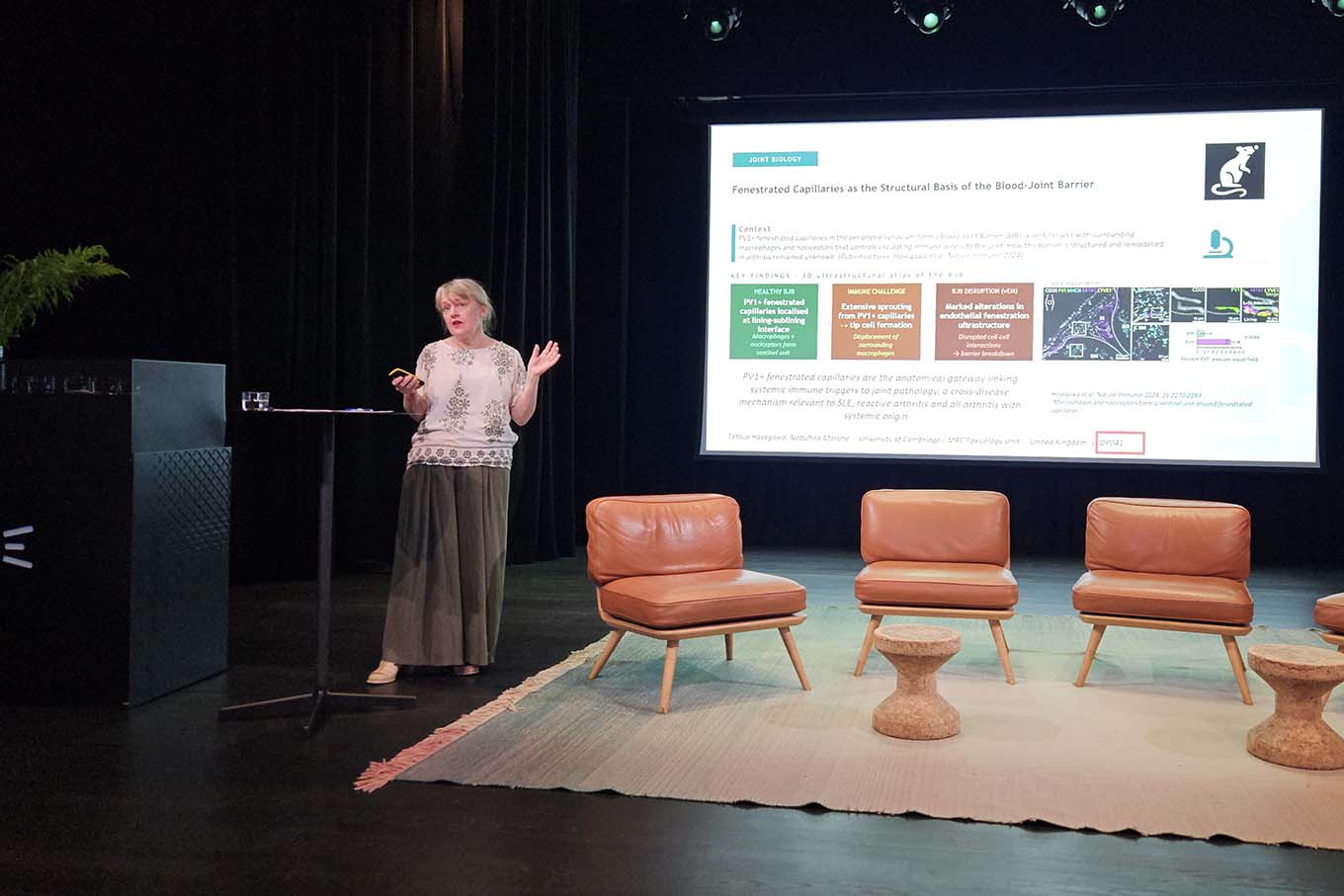
One research track was about how inflammation occurs and is maintained in the joint. New studies indicate that small blood vessels in the synovial membrane may play an important role in the so-called blood-joint barrier. When this barrier is weakened, inflammation can more easily take hold.
This is still basic research, but may provide a better understanding of why the disease occurs, why some people still have symptoms, and how more targeted treatment can be developed.
Treatment targeting B cells was also an important avenue. In addition to CAR-T, which is an advanced and expensive treatment tailored to the individual patient, more accessible “off-the-shelf” solutions were highlighted. Such solutions are still being tested, but may become relevant because they can be given in a more standardized and probably less expensive way than tailored CAR-T.
Drug tapering was also a topic. Several studies are studying how this can be done safely, but there are currently no definitive answers as to which patients can taper without the disease flaring up again. Therefore, there is great interest in biomarkers that can show for whom tapering may be appropriate.
In rheumatoid arthritis, developments are moving towards a more precise understanding of the disease, more targeted treatment and better tools to know who can taper off. B cells are a particularly interesting treatment target, both through CAR-T and more accessible off-the-shelf solutions that are now being tested.
What inspired you most at this year's EULAR?
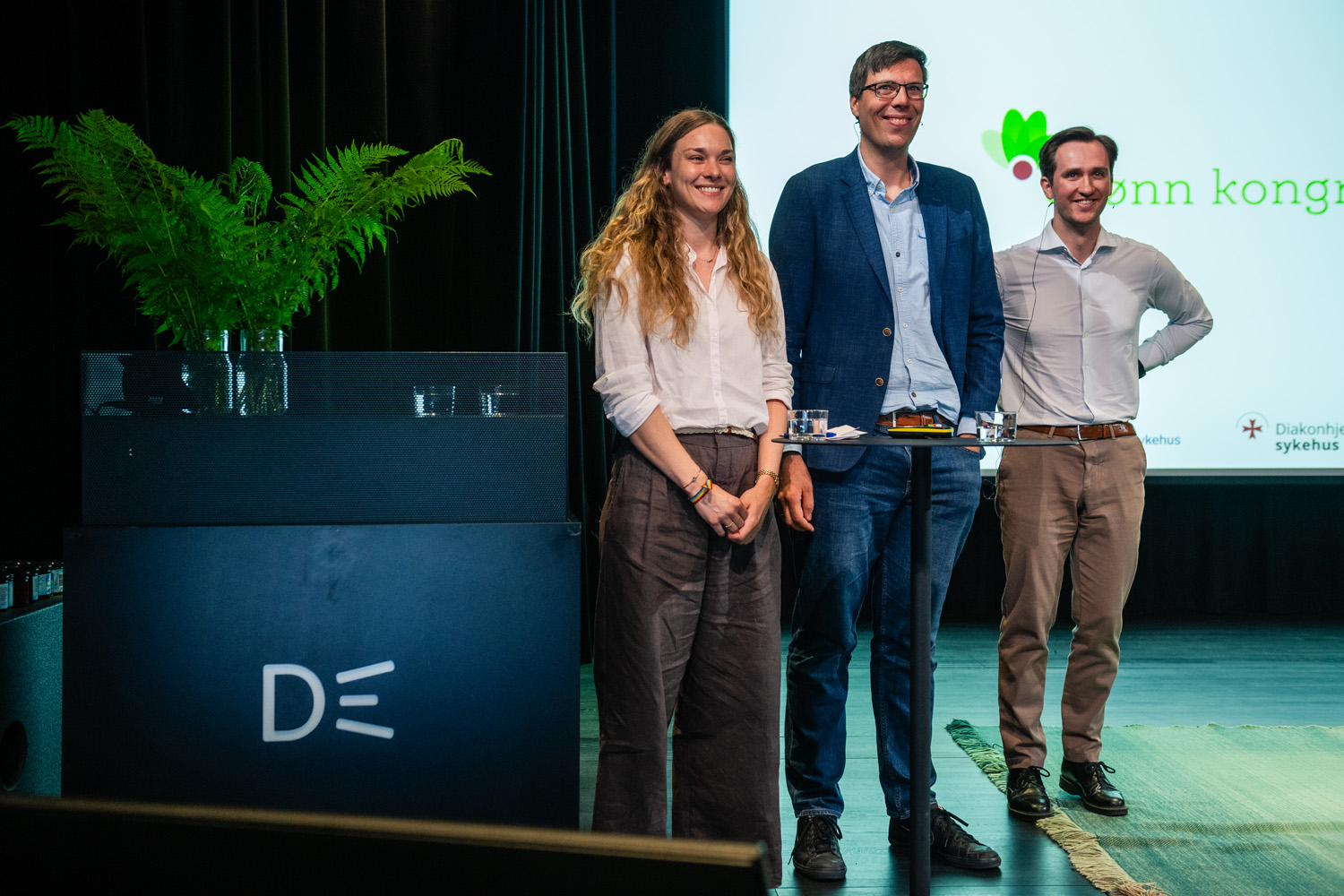
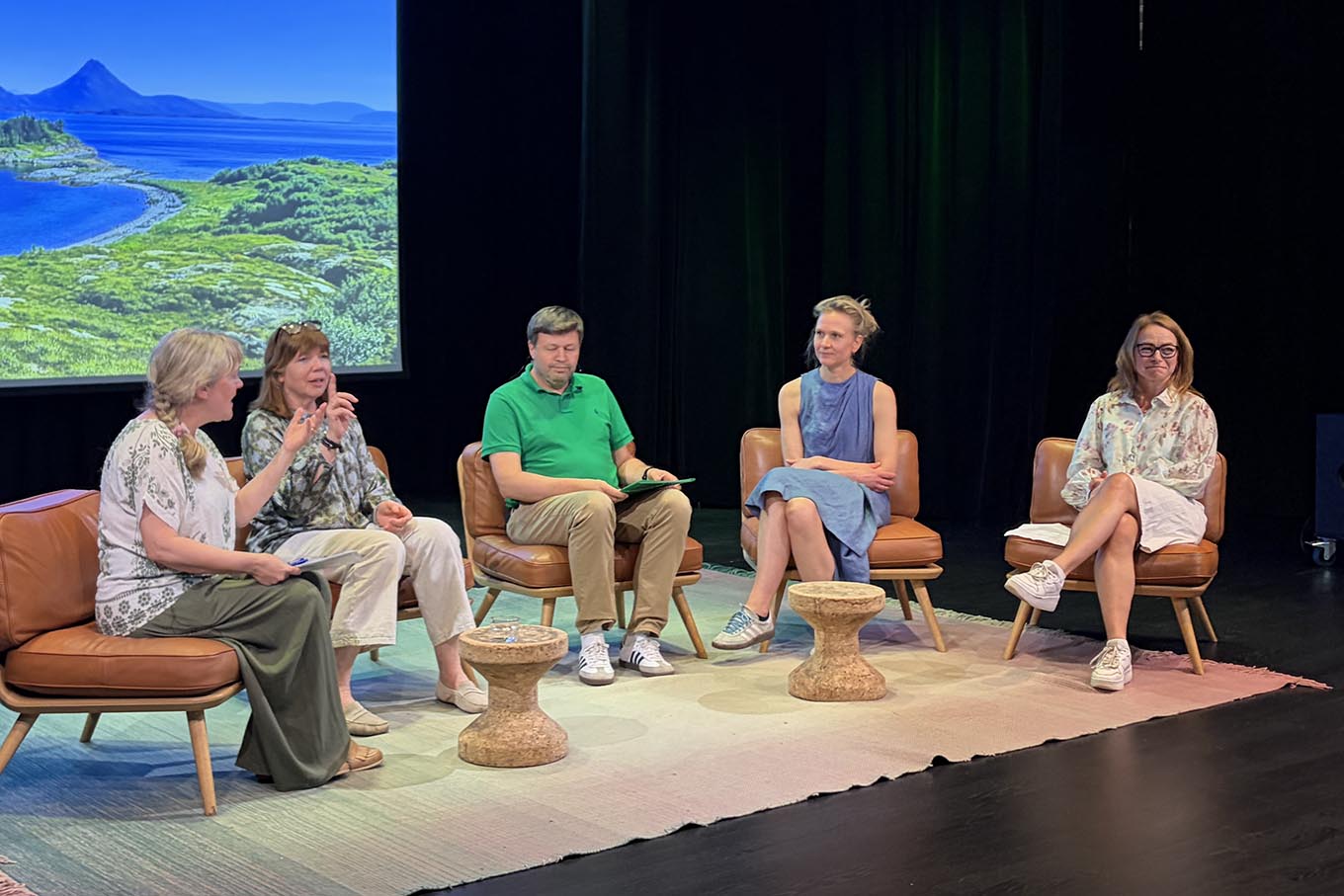
Finally, Guro Løvik Goll led a panel discussion with Nina Østerås, Espen A. Haavardsholm, Marthe Mæhlen and Helena Andersson.
The patient perspective was particularly highlighted.
Another topic was new treatment avenues targeting B cells. CAR-T shows interesting results, also in rheumatoid arthritis. At the same time, this raises important questions: Who should be offered such treatment? Which patients benefit the most? And how can Norwegian research communities contribute to studies that investigate this further?
For researchers in Norway, it was considered important to participate in such studies. This can contribute to Norwegian patients gaining access to new knowledge, and for Norwegian rheumatology to help shape developments.
Gut flora has received more attention, but research is still in its early stages. The most concrete advice so far is to guide patients to a high-fiber diet, good sleep, weight loss if necessary, and regular exercise.
The need to better understand why some patients still have problems was highlighted. Biopsies appear to be more helpful in showing whether the treatment has been successful. This may be important for more personalized treatment.
AI was also a topic in many sessions at EULAR this year. The panel highlighted that AI can be used for increasingly more, both for researchers and patients. Speech-to-text solutions are rapidly entering the Norwegian healthcare system. An example of a good, quality-assured patient-oriented AI model for patients is Lupus GPT, and several such models are now being tested in Germany.
Healthcare professionals are unlikely to be replaced by AI agents because AI lacks intuition, understanding of context and cause-effect, but we as healthcare professionals and patients should learn to use AI in a safe, ethical and fair way since this can relieve healthcare professionals and help strengthen the treatment and follow-up of patients.
From conference to practice
The summary from EULAR shows that the field of rheumatology is rapidly evolving. New treatments, digital tools, more attention to lifestyle, better use of the patient perspective, and increasing climate and environmental awareness can all contribute to better follow-up.
Kjetil Bergsmark ended the day by thanking everyone who had contributed to conducting an insightful conference, with news in both the field and the climate.
Feedback from participants
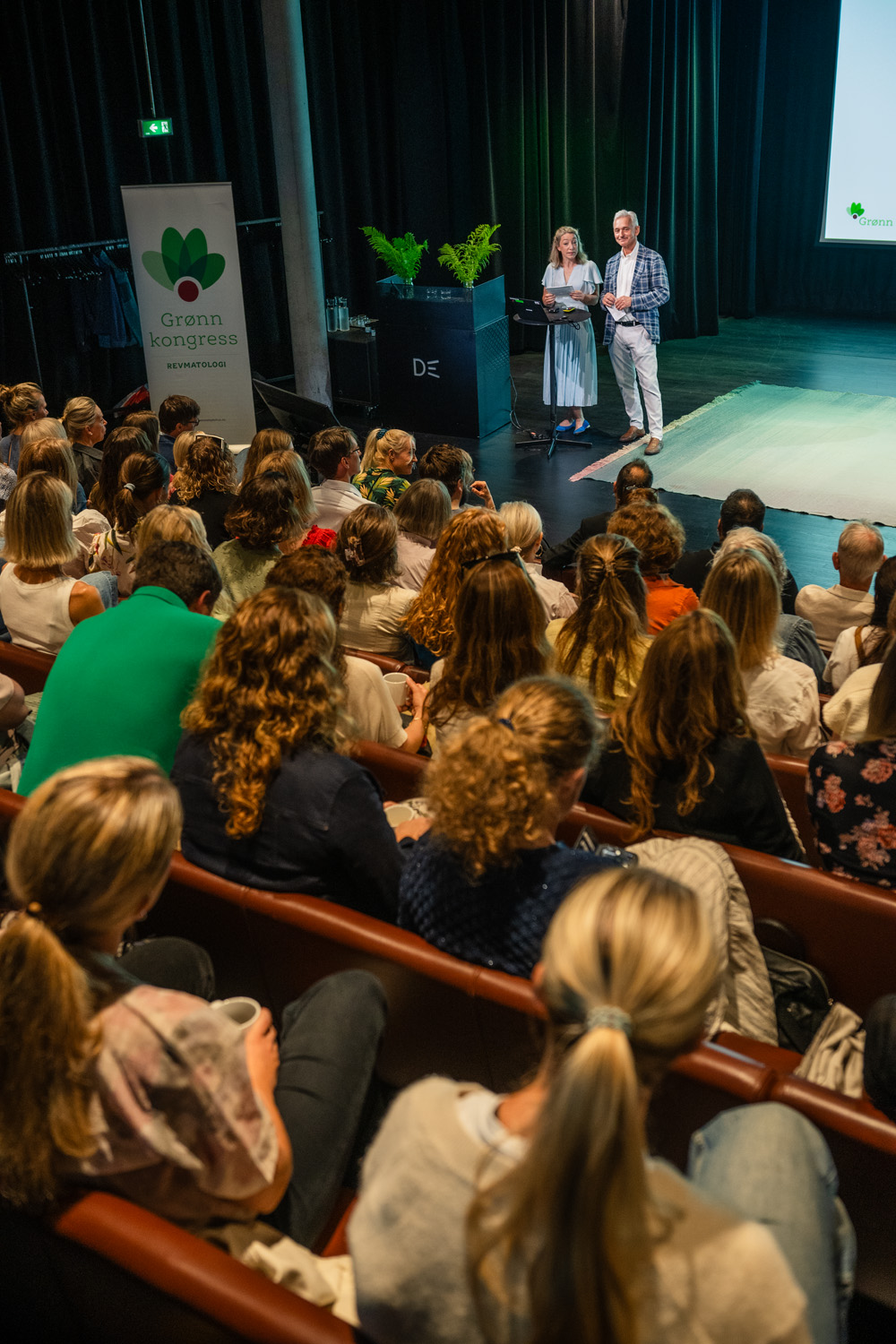
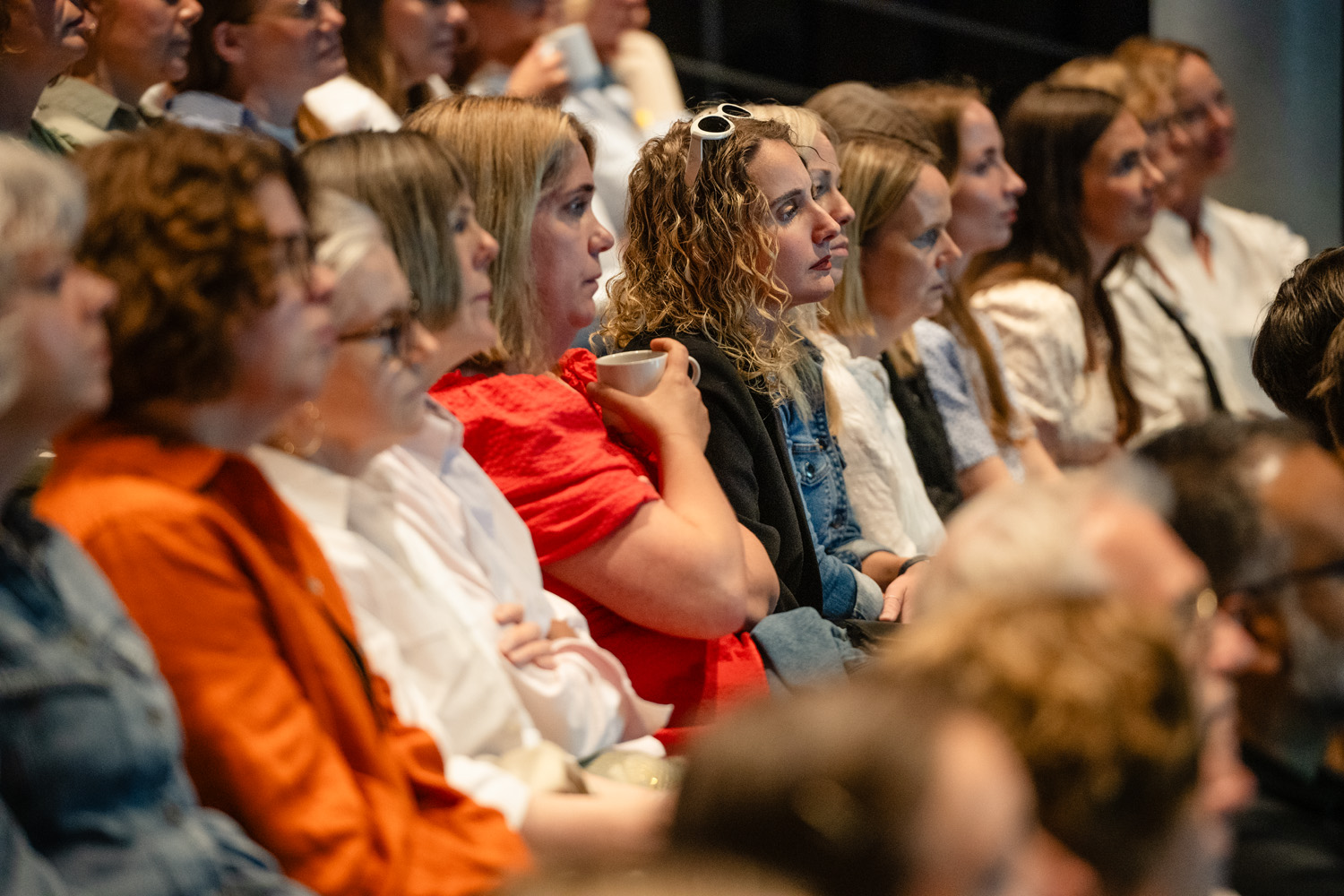
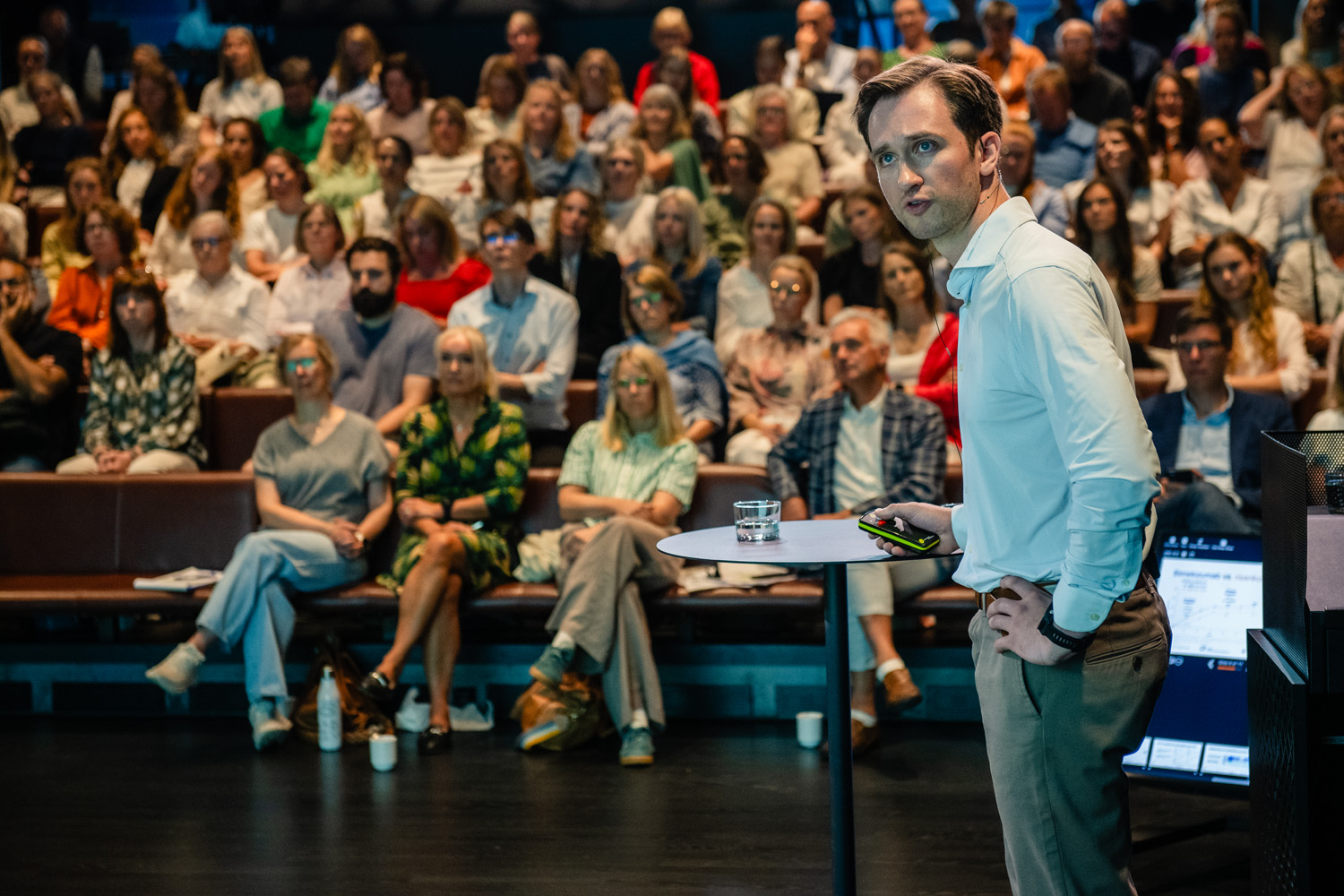
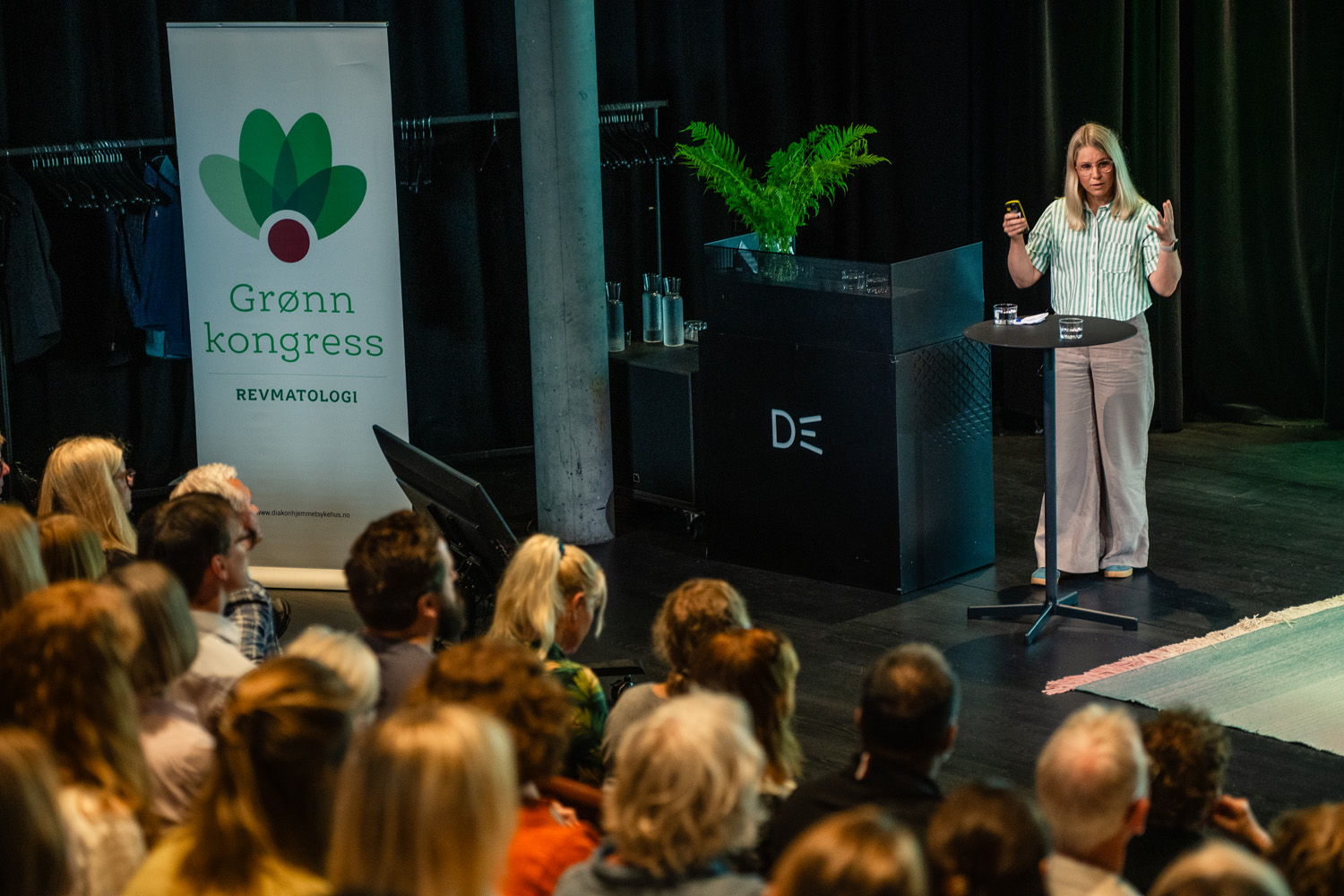
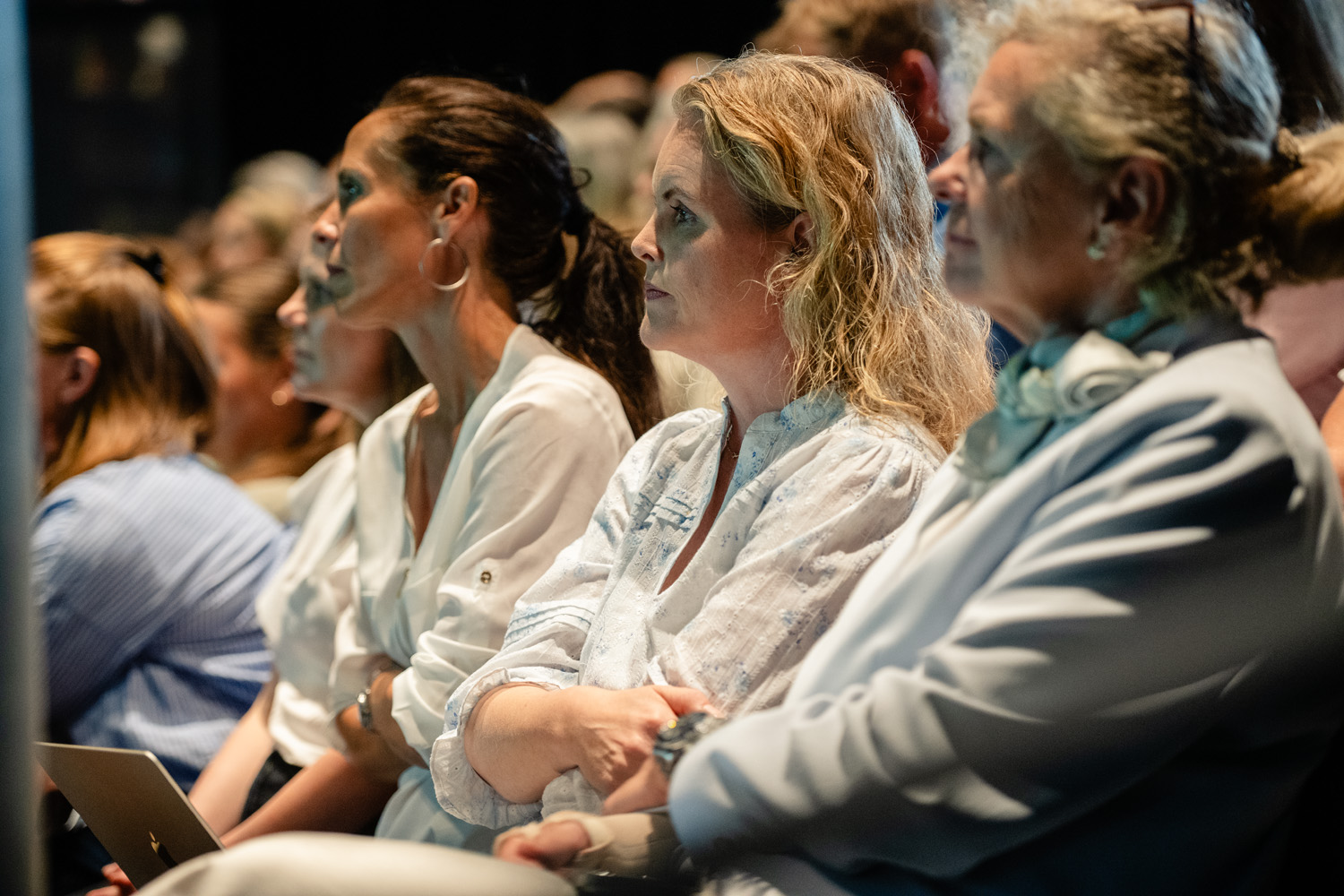
There were 135 participants in the hall and more than 400 following the stream.
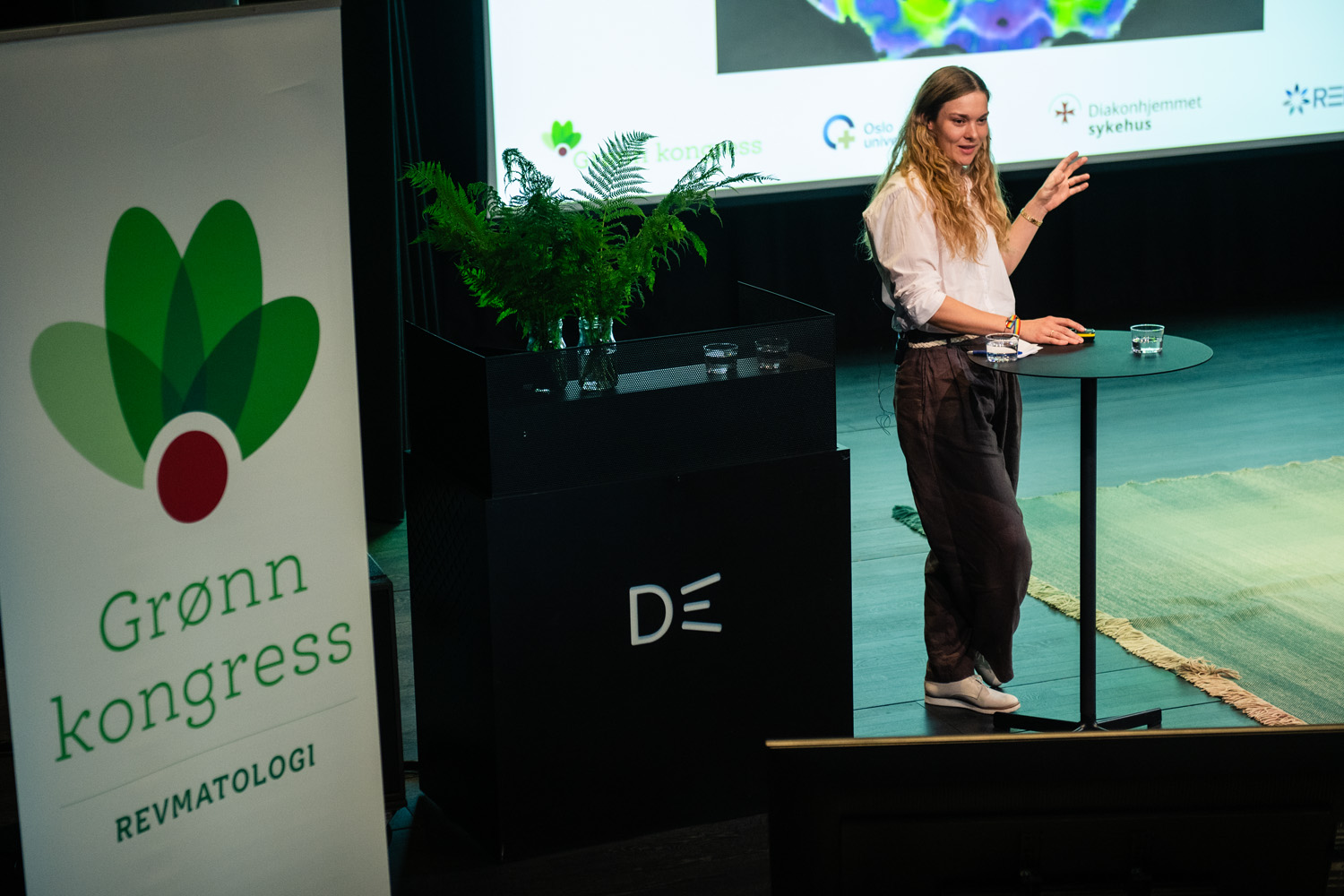
Green Congress wants to present professional updates within rheumatology in an environmentally friendly setting. Did we manage to do that?
98.1 percent of those who responded believed that we managed to do that.
Below you will find pictures. Click on them to see them larger - with the option to scroll through.
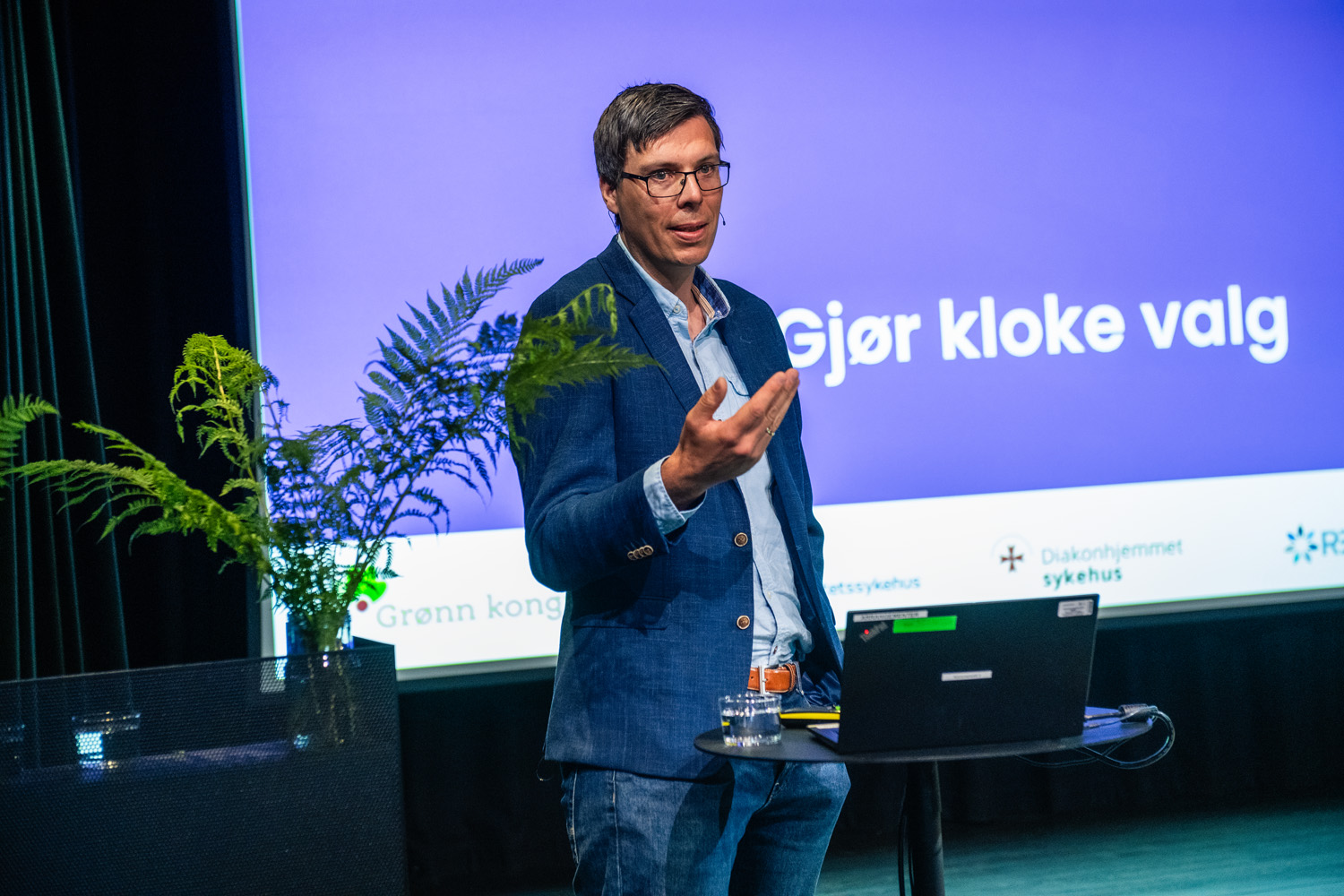
Thank you for your commitment. See you next year, if not before. In the meantime: Have a great summer and make wise choices! 💚